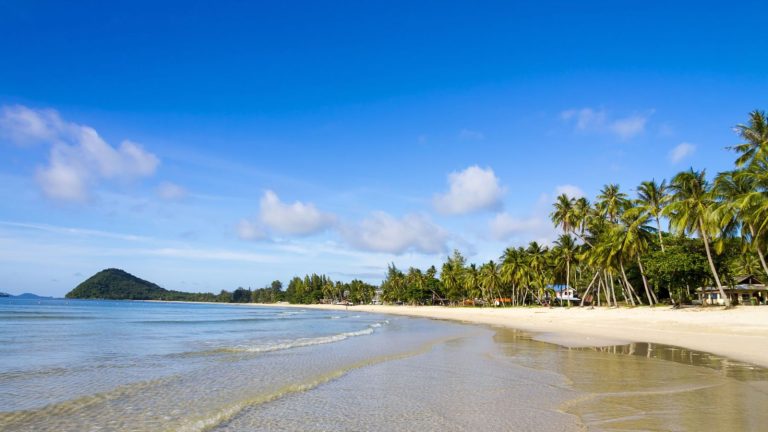
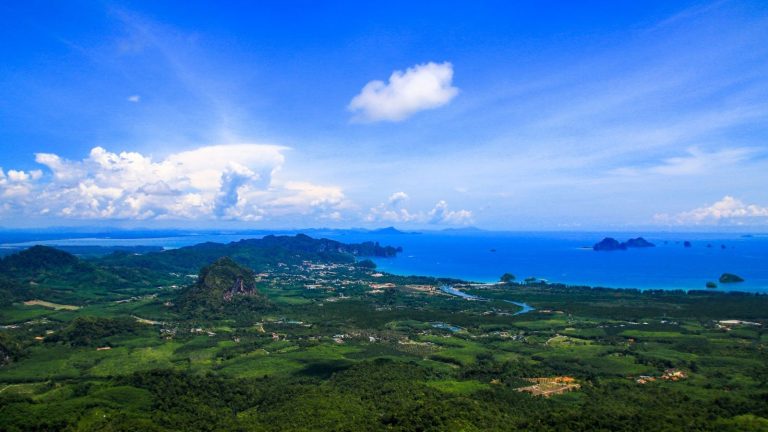
UNESCO has designated nine locations in Thailand as World Heritage Sites. Located in different regions of the country, these sites include six of cultural and historical importance and three natural wonders. Together, they showcase the richness of Thailand’s heritage, from ancient kingdoms to biodiversity hotspots. Whether you’re a history buff, nature lover, or simply curious to experience Thailand beyond the main tourist trail, these World Heritage Sites allow you to discover another side of the country.

(Photo: Shutterstock)
The mission of the United Nations Educational, Scientific and Cultural Organization (UNESCO) is to identify, protect, and preserve cultural and natural heritage worldwide. Identifying UNESCO World Heritage Sites of cultural and natural importance are a key part of that mission.
Central and West Thailand
Historic City of Ayutthaya
UNESCO listing: 1991

(Photo: Shutterstock)
Just 85 km (53 miles) north of Bangkok, the ruins of Ayutthaya evoke memories of the kingdom that once flourished from 1350 to 1767. As a bustling capital, Ayutthaya was a political hub and a thriving centre of global diplomacy and commerce. Visitors to the Ayutthaya Historical Park can explore the remnants of temples, palaces, and monasteries including:
- Wat Phra Si Sanphet: a former royal temple
- Wat Mahathat: famous for the Buddha head entwined in tree roots
- Wat Chaiwatthanaram: a riverside temple reflecting Khmer-inspired architecture
Thungyai-Huai Kha Khaeng Wildlife Sanctuaries
UNESCO listing: 1991

(Photo: Shutterstock)
Located near the Myanmar border, these natural sanctuaries span over 6,000 square kilometres (2,300 sq. miles) across Kanchanaburi, Tak, and Uthai Thani provinces.
The dense forests are home to rare and endangered species, including:
- Indochinese tigers
- Asian elephants
- Siamese crocodiles
With its diverse ecosystems, this UNESCO site ensures the preservation of the region’s flora and fauna while acting as a critical watershed for nearby communities.
Northern Thailand
Historic Town of Sukhothai and Associated Historic Towns
UNESCO listing: 1991

(Photo: Shutterstock)
The Sukhothai Kingdom (13th–15th centuries) marked the ‘Dawn of Happiness’, laying the foundations of Thai art, language, and culture. The Sukhothai Historical Park offers a glimpse into this Golden Age, showcasing:
- Wat Mahathat: the spiritual centre of Sukhothai
- Si Satchanalai Historical Park: known for its ceramic kilns and temples
- Kamphaeng Phet Historical Park: a former military outpost with ancient walls and unique architecture
North-East Thailand (Isaan)
Ban Chiang Archaeological Site
UNESCO listing: 1992

(Photo: Artigone Pumsirisawas / Shutterstock)
Located in Udon Thani province, Ban Chiang offers valuable insight into prehistoric life. It is particularly renowned for:
- Red-painted pottery with intricate designs
- Bronze artefacts, proving early metallurgical practices
- The Ban Chiang National Museum, which showcases these extraordinary finds
This site challenges earlier beliefs about the timing of the Bronze Age in Southeast Asia revealing that advanced societies thrived here far earlier than previously thought.
Dong Phayayen-Khao Yai Forest Complex
UNESCO listing: 2005

(Photo: Shutterstock)
This expansive forest complex stretches across four provinces and includes five protected areas, with Khao Yai National Park being the most popular. This biodiversity hotspot shelters over 800 animal species, including:
- Clouded leopards
- White-handed gibbons
- Asian elephants
Visitors can enjoy hiking through scenic waterfalls, dense jungles, and well-marked trails, experiencing nature at its finest.
Phu Phrabat Historical Park
UNESCO listing: 2024

(Photo: The Fine Arts Department of Thailand via UNESCO)
Located in Udon Thani, Phu Phrabat Historical Park is known for its unique rock formations shaped by millions of years of erosion. The site also contains:
- Dvaravati-era shrines and carvings
- Prehistoric rock shelters with paintings depicting ancient life
- Standing stones (Sīma stones), believed to mark early religious boundaries
This park offers a fascinating blend of natural beauty and cultural significance, where local legends meet historical practices.
Si Thep Ancient Town
UNESCO listing: 2023

(Photo: Shutterstock)
Situated in Phetchabun province, Si Thep thrived under both the Dvaravati Kingdom and the Khmer Empire. The town’s grid-like layout and advanced water management system reveal impressive urban planning. Key highlights include:
- Khao Klang Nok: a large stupa reflecting artistic influences from both the Dvaravati and Khmer periods
- Moats and city walls: proof of Si Thep’s strategic importance on ancient trade routes
Southern Thailand
Kaeng Krachan Forest Complex
UNESCO listing: 2021

(Photo: Shutterstock)
The Kaeng Krachan Forest Complex spans three provinces — Phetchaburi, Prachuap Khiri Khan, and Ratchaburi — covering an area vital for the preservation of endangered species. Visitors staying in Hua Hin or Cha Am can take a day trip to explore the park’s pristine rainforests and engage in birdwatching among its globally significant bird populations.
The complex is home to wildlife such as:
- Indochinese tigers
- Malayan tapirs
- Asian elephants
Wat Phra Mahathat Woramahawihan, Nakhon Si Thammarat
UNESCO listing: 2026
Wat Phra Mahathat Woramahawihan gained international recognition in July 2026 when UNESCO added it to the World Heritage List. The inscription acknowledges the temple as one of Southeast Asia’s most important centres of Theravada Buddhism and celebrates its enduring religious, cultural, and architectural significance.

Situated in the heart of Nakhon Si Thammarat, the temple has welcomed pilgrims for centuries and played a key role in spreading Buddhist beliefs and artistic traditions throughout the region. Its striking white stupa, known as the Phra Borommathat Chedi, is believed to house sacred relics of the Buddha and remains the focal point for worship and annual religious festivals.