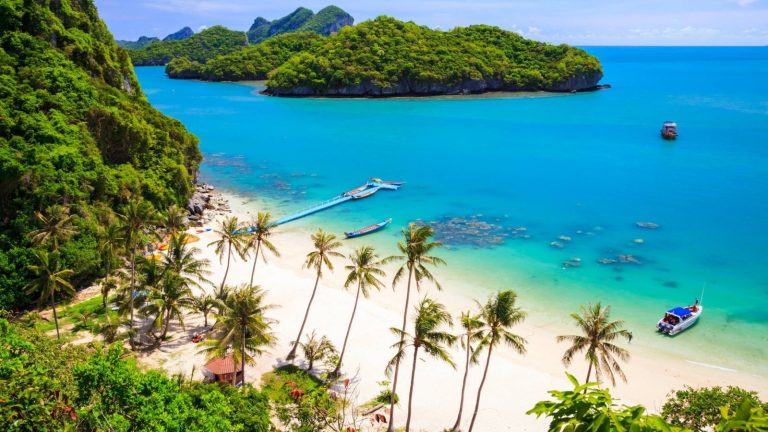
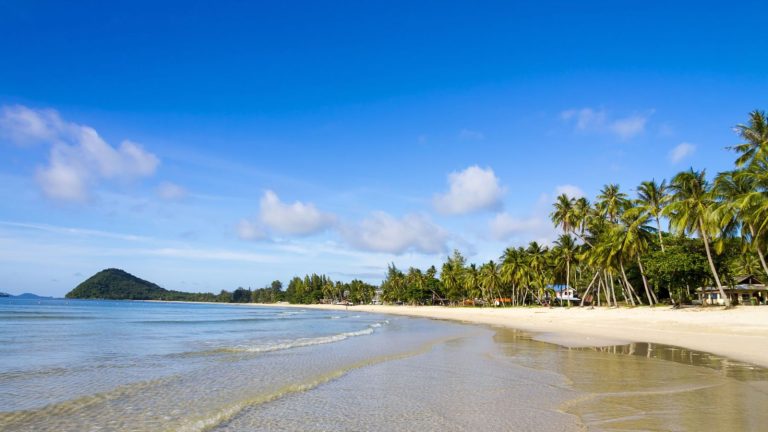
Situated in the Ko Chang archipelago in eastern Thailand, Ko Mak offers a different vision of island tourism. Instead of high-rise hotels, neon nightlife, and mass tourism, this small island has chosen a quieter path built around sustainability and community values.

Ko Mak has become one of Thailand’s leading examples of responsible tourism. Tourism exists here, but it hasn’t overtaken the island’s traditional way of life. Rubber plantations, coconut groves, and fishing remain important parts of the local economy, and the island retains a relaxed pace that many visitors find increasingly rare.
For travellers seeking a tropical escape without crowds or overdevelopment, Ko Mak offers something special: an island where protecting the environment and preserving local culture are central to the tourism experience.
Ko Mak’s commitment to sustainability
Long before sustainability became a global buzzword, Ko Mak residents were already working to protect their island’s natural resources.
Local businesses, accommodation providers, and community groups collaborate to promote environmentally responsible tourism practices. While Ko Mak acknowledges that tourism inevitably brings challenges, the island has made a conscious effort to manage its impact. This collaborative mindset has shaped many of the initiatives that visitors see on the island today.

The Ko Mak Charter
In 2018, the Ko Mak community introduced the Ko Mak Charter, a framework designed to guide sustainable tourism development while safeguarding the island’s natural and cultural heritage. The charter focuses on several key principles:
- Reducing carbon emissions
- Minimising waste and pollution
- Preserving the island’s traditional character
- Protecting marine and coastal ecosystems
- Encouraging responsible behaviour from both businesses and visitors
By establishing shared goals, the charter helps ensure that tourism growth does not compromise the environment or the local community.

(Photo: Roy Cavanagh)
Ko Mak’s low-carbon tourism model
Ko Mak’s sustainability initiatives have also been supported by the Designated Areas for Sustainable Tourism Administration (DASTA) through the island’s Low-Carbon Family project. This programme encourages cooperation between government agencies, residents, and tourism businesses to reduce carbon emissions and promote environmentally friendly practices. Some of the island’s initiatives include:
- Vehicle limits: To prevent congestion, noise pollution, and excessive emissions, Ko Mak restricts the number of vehicles allowed on the island. Rental motorbikes are also limited.
- Quiet island policy: Visitors and residents are encouraged to avoid loud music and disruptive noise, helping preserve Ko Mak’s peaceful atmosphere.
- Protection of marine ecosystems: Motorised water sports such as jet skis are not permitted, helping protect coral reefs and marine life.
- Packaging restrictions:Styrofoam containers are banned to reduce pollution and waste.
Reducing plastic waste
Ko Mak has also taken steps to reduce single-use plastics across the island.
Many hotels and restaurants encourage guests to refill water bottles rather than purchasing plastic ones, and several refill stations have been introduced. Local shops often provide reusable bags, and plastic straws have largely disappeared from the island.
Waste management is another important priority. Recycling programmes and community waste-sorting initiatives help ensure rubbish is disposed of responsibly. Travellers can support these efforts by:
- Bringing reusable bottles, bags, and containers
- Using recycling points around the island
- Supporting locally owned accommodation and businesses
- Joining beach clean-ups organised by community groups such as Trash Hero
- Choosing tour operators that follow responsible practices

(Photo: Roy Cavanagh)
Farm-to-table dining and organic agriculture
Sustainable food production is another area where Ko Mak has made progress. Several local farms grow organic produce using environmentally friendly methods, and visitors can learn about sustainable agriculture and permaculture during farm visits.
Through the ‘Eat it Fresh’ campaign, many island restaurants prioritise locally sourced ingredients. Fresh seafood from responsible fisheries and produce grown on the island help reduce transportation emissions while supporting local farmers.
Responsible things to see and do on Ko Mak
The best way to experience Ko Mak is to embrace the island’s slower pace and natural surroundings. Many of the most rewarding activities are also the most environmentally friendly.

(Photo: Roy Cavanagh)
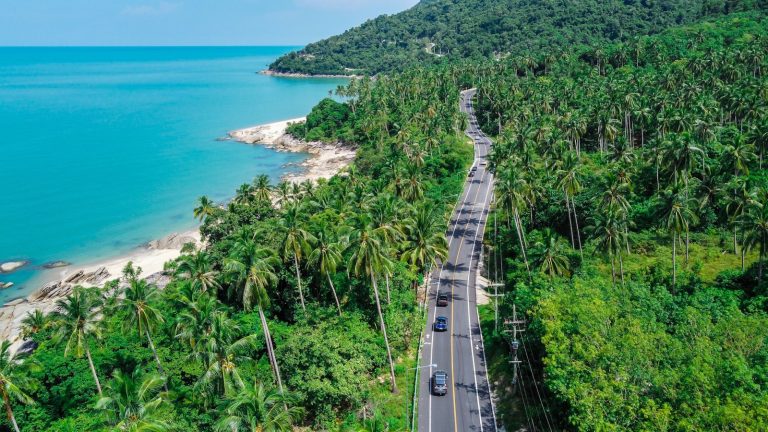
Explore the island by bicycle: Ko Mak is small enough to explore comfortably by bicycle, and cycling remains one of the most popular ways to get around. Quiet roads wind past coconut plantations, rubber farms, beaches, and small fishing communities. Riding a bicycle allows visitors to experience everyday island life while producing virtually no carbon emissions.
Kayak along the coastline: Kayaking is an excellent low-impact way to explore Ko Mak’s coastal ecosystems. Paddling through mangrove forests reveals an important habitat for marine life and birds, while more adventurous paddlers can head out to nearby islands such as Ko Kradat.
Visit Ko Kradat: Just offshore from Ko Mak lies Ko Kradat, a small, privately owned island known for its herd of deer. The animals were introduced during the reign of King Rama V, when the island served as a royal retreat. Today, visitors can reach Ko Kradat by kayak or a short boat ride from Laem Son Beach. Tourist numbers are limited, which helps preserve the island’s peaceful atmosphere and fragile environment.
Relax on Ko Kham: Another nearby island worth visiting is Ko Kham, famous for its bright white sand and vivid turquoise water. A partially built luxury resort (an abandoned project that was never completed) stands near the shoreline, giving the island a slightly surreal atmosphere. Despite this unusual feature, Ko Kham remains a beautiful place to swim, relax, and take in sweeping sea views.
Snorkel responsibly: The waters around Ko Mak support diverse coral reefs and marine life. Responsible snorkelling trips allow visitors to explore these ecosystems while protecting them. Eco-friendly operators encourage participants to avoid touching coral, maintain proper buoyancy and use reef-safe sunscreen.

How to get to Ko Mak
Travellers can reach Ko Mak via the mainland province of Trat. Flying from Bangkok to Trat Airport is the fastest option, but it carries a larger carbon footprint. A more environmentally friendly alternative is to travel by public transport. Buses depart regularly from Ekamai Bus Terminal in Bangkok and from Suvarnabhumi Airport, travelling to Trat town or Laem Ngop pier. From there, ferries and speedboats connect to Ko Mak.
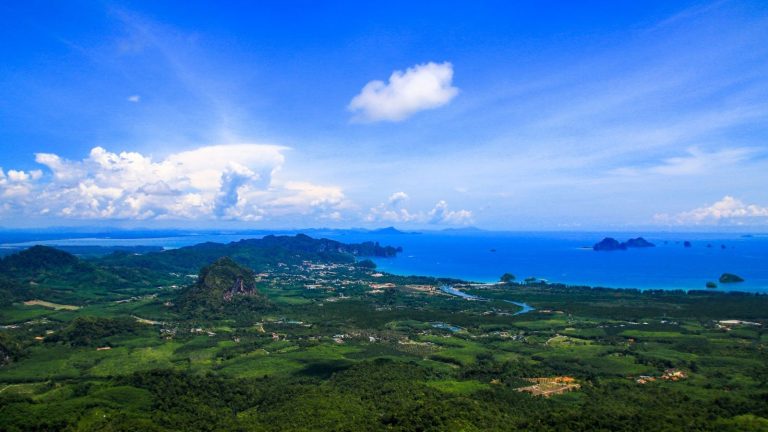
Island-hopping in the Ko Chang archipelago

(Photo: Roy Cavanagh)
Once on the island, walking, cycling, and kayaking are the best ways to explore while keeping your environmental impact low.