Father’s Day in Thailand takes place every year on December 5, a date with deep national and emotional significance. Unlike countries where Father’s Day changes annually, Thailand observes it on a fixed date because it marks the birthday of the late King Bhumibol Adulyadej.

December 5 is a public holiday which not only marks Father’s Day (known in Thai as ‘Wan Por‘), but is also recognised as King Bhumibol Adulyadej Birthday Commemoration Day and Thailand’s National Day. As a result, December 5 carries several layers of meaning and remains an important date on the Thai calendar.

(Photo: Roy Cavanagh)
King Bhumibol was born on December 5, 1927, and reigned for more than 70 years, making him one of the world’s longest-serving monarchs. During his reign, he became widely respected for his dedication to improving the lives of Thai people and for his extensive work on development projects throughout the country.
He passed away on October 13, 2016, at the age of 88, prompting an enormous outpouring of grief across Thailand. His birthday continues to be commemorated annually, and Father’s Day remains closely connected to his memory.

Throughout his reign, King Bhumibol travelled extensively throughout Thailand, often visiting remote communities that had received little government attention. He became known for personally observing local problems and supporting practical solutions.
Many of his Royal Development Projects focused on agriculture, water management, environmental conservation and improving living conditions in rural areas. His initiatives helped farmers increase productivity and addressed issues such as drought and flooding.
Because of his long service and public image as a caring and devoted leader, many Thai people viewed him as a father figure for the nation. This perception naturally contributed to the decision to link Father’s Day with his birthday.
The date also has a connection to Queen Sirikit, his wife and Queen Consort, whose birthday on August 12 is Mother’s Day in Thailand. Together, the two dates created annual celebrations centred around family values and national respect.
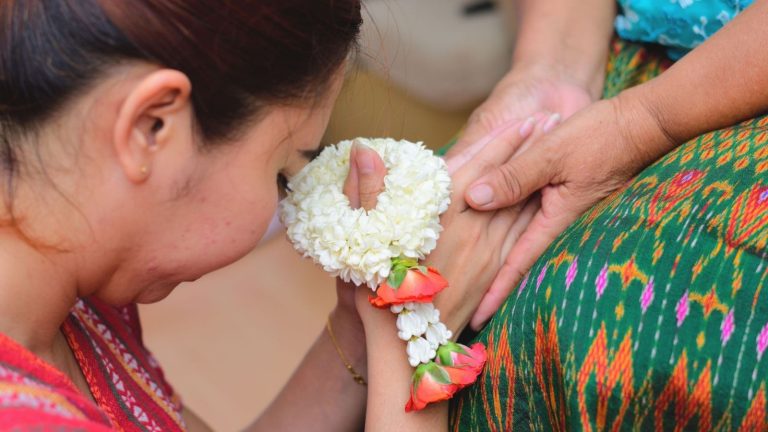
For many Thai families, Father’s Day is an opportunity to express gratitude toward fathers and father figures. Similar to Mother’s Day, schools often organise ceremonies and activities before the holiday where children show appreciation through speeches, songs and performances.

Traditionally, children may present their fathers with flowers or small gifts. The flower commonly associated with Father’s Day in Thailand is the yellow Phuttharaksa flower (Canna lily), which symbolises protection, peace, and fatherly love.
Buddhist traditions also form an important part of the day. Families often visit temples to make merit by offering food to monks, making donations or participating in religious ceremonies. Merit-making is considered a way of expressing gratitude and bringing good fortune to loved ones.
Because December 5 is a public holiday, many people also spend the day enjoying family activities together. Restaurants, parks and tourist attractions frequently see increased numbers of visitors as families take advantage of the holiday.
Public celebrations and commemorative events may also take place. In previous years, candle-lit ceremonies and community gatherings were organised in honour of King Bhumibol’s life and achievements. Public buildings and streets are often decorated with yellow, a colour traditionally associated with the late king.
For visitors travelling in Thailand during early December, the atmosphere can offer insight into the country’s culture and values. The day highlights the importance of family relationships while also reflecting the respect many Thai people continue to hold for King Bhumibol.