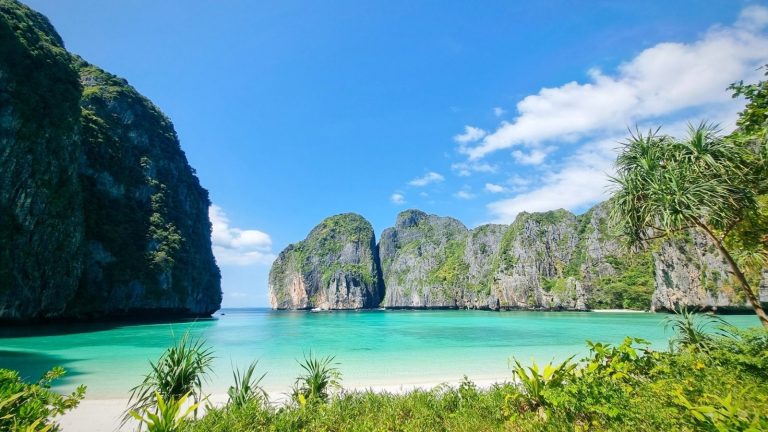
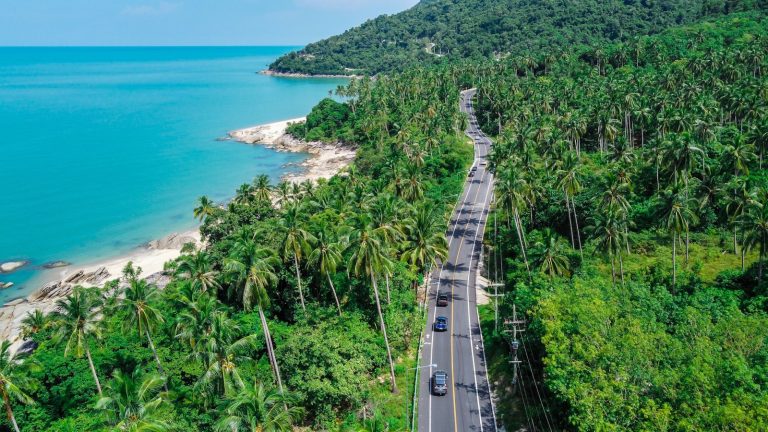
Tucked away in Thailand’s far southwest, Satun might be a small province, but it delivers big when it comes to natural beauty and laid-back charm. Bordering Malaysia and nestled along the stunning Andaman Coast, this serene province is perfect for those in search of peaceful islands, untouched landscapes, and an authentic travel experience away from the crowds.

Discovering Satun’s islands
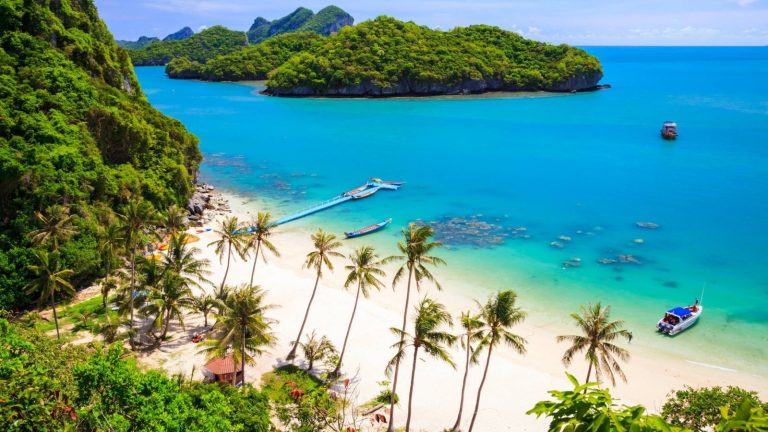
While Satun’s mainland has its own quiet charm, it’s the archipelago offshore that steals the spotlight. Dotted across the Andaman Sea, these islands offer everything from vibrant marine life to tranquil beaches.
Ko Lipe
Arguably the crown jewel of Satun, Ko Lipe is famed for its powdery beaches and crystalline waters. Despite its small size, the island offers a wide selection of accommodations and restaurants, catering to all types of travellers from solo backpackers to families.

You can explore the island on foot or by hiring a motorbike taxi with a sidecar. Walking Street is the heart of Ko Lipe, where you can book diving or snorkelling excursions to nearby reefs. Although development has changed Ko Lipe in recent years, its natural beauty remains intact. It’s also an ideal base for exploring Tarutao National Marine Park.
Tarutao National Marine Park
Comprising 51 islands, Tarutao National Marine Park is a haven for wildlife lovers and ocean explorers. The islands are home to creatures such as monitor lizards, langurs, fishing cats, hornbills, and wild boars. The marine park overlaps with Mu Ko Petra National Marine Park, which also stretches into neighbouring Trang province.

Entry to Thailand’s national parks involves a fee (currently 200 Baht for foreign adults, 100 Baht for children), and tickets are valid for five days. The fee is usually included in organised tours, but check before booking. Independent travellers may need to pay at Pak Bara pier.
Ko Tarutao
This rugged, historically significant island offers a glimpse into Thailand’s past. Once a prison colony for political prisoners in the 1930s, Ko Tarutao now exudes tranquillity, with its quiet beaches and dense forests. Accommodation is basic and is limited to National Park-run bungalows and campsites, making it an appealing escape for nature lovers and solitude seekers.

Ko Adang and Ko Rawi
Just a short boat ride from Ko Lipe lies the much larger Ko Adang. Despite its size, the island remains largely undeveloped due to its protected status. Overnight stays are possible at park bungalows or tents, offering a peaceful retreat close to Ko Lipe’s amenities.

Nearby Ko Rawi is renowned for its exceptional snorkelling, with coral reefs teeming with tropical fish just offshore.

Ko Bulon Leh
Offering a perfect middle ground between Ko Lipe’s popularity and Ko Tarutao’s remoteness, Ko Bulon Leh is a charming, low-key island. Small resorts and a friendly local community create a laid-back atmosphere ideal for unwinding.

Ko Hin Ngam
Famed for its beach covered in smooth, striped black stones, Ko Hin Ngam is steeped in local legend. It’s said that removing a stone from the island brings bad luck, so best to admire and leave them where they are.

Ko Khai
This tiny island is home to a striking natural rock arch. Thai folklore says couples who walk through the arch will enjoy eternal love, while single visitors may find their soulmate. Ko Khai is uninhabited but often included in day trips from Ko Lipe or brief speedboat stops.

Indigenous Communities of the Andaman
The Andaman coast is also home to the Chao Ley, or ‘People of the Sea’, a collective term for seafaring groups such as the Urak Lawoi, Mokken, and Moklen. With their deep-rooted maritime culture, these communities have lived in harmony with the sea for generations. In Satun, Chao Ley villages can still be found on Ko Lipe and Ko Bulon, offering a cultural connection to the region’s past.
Satun UNESCO Global Geopark
In 2018, Satun made history as the first area in Thailand to receive UNESCO Global Geopark status. Covering four districts, the geopark showcases a diverse landscape of dramatic limestone mountains, remote islands, ancient caves, cascading waterfalls, and fossil-rich sites. It’s a place where geology, nature, and culture intersect.

Adventurers can kayak to the impressive Prasat Hin Phan Yod sinkhole on Ko Khao Yai or paddle through Tham Le Stegodon, a vast cave named after the prehistoric stegodon fossils found there. Another fascinating site is Phuphaphetch Cave, home to shimmering stalactites and stalagmites dramatically illuminated by sunlight pouring in through a natural roof opening.

The UNESCO designation also highlights Satun’s cultural heritage and the region’s commitment to education, conservation, and responsible tourism.
Satun mainland
On the mainland, Satun Town provides a glimpse into the region’s rich Islamic heritage, reflected in local customs, mosques, and daily life. Although often bypassed en route to the islands, the town has its own quiet charm.

Satun National Museum
Housed in a lovely Sino-Portuguese mansion, the Satun National Museum is worth a visit to learn about the province’s history. Nearby, the striking Satun Central Mosque is a focal point for the local community.

Thale Ban National Park
Just a short drive inland, Thale Ban National Park features mountainous terrain and lush forests. It’s a great spot for birdwatching, hiking, and connecting with nature.

Pak Bara
Pak Bara is the main departure point for ferries to Ko Lipe, Ko Tarutao, and Ko Bulon. The small fishing town also has tour offices where you can arrange transfers, boat tickets, and snorkelling trips. If you’re arriving via Hat Yai or Trang, consider booking through tour operators there for convenience.
How to get to Satun
The closest airports are in Hat Yai and Trang. From Bangkok, budget airlines like AirAsia and Nok Air offer combo tickets that bundled flights with minibus transfers and ferry tickets to Ko Lipe.
Boat services from Pak Bara to Ko Lipe may stop briefly at Ko Tarutao, Ko Bulon Leh, or Ko Khai, depending on the schedule. During the high season (November to April), connections are frequent. National Park accommodations on Ko Tarutao and Ko Adang can be booked at the office next to Pak Bara pier. Doing this in person is often easier than navigating the National Park’s online system.
Travellers using the train can consider stopping in Trang or Hat Yai before heading to the coast.
Practical tips
- Best time to visit: November to April. Note that Tarutao National Marine Park is closed from mid-May to mid-October due to the monsoon season.
- Accommodation: Book early during peak season, especially for Ko Lipe and National Park lodgings.
- Respect local culture: Particularly on the mainland, where many communities are Muslim. Dress modestly and be mindful of local customs.
- Cash: Ko Lipe has ATMs and currency exchange services, but the other islands do not. Be sure to bring enough Thai Baht with you.