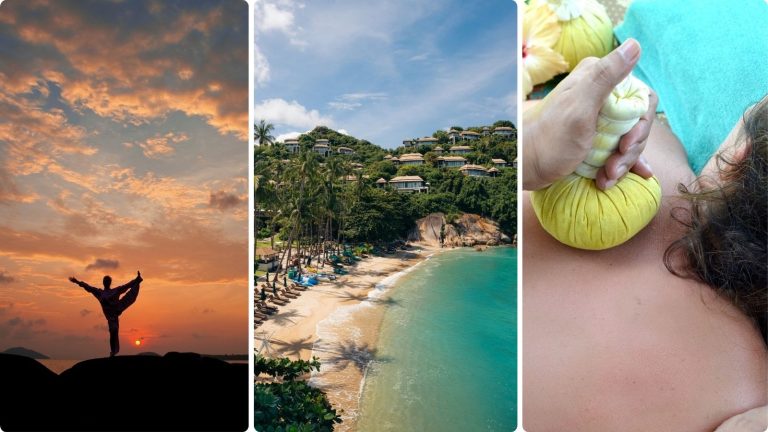
Traditional Thai massage (nuad Thai) is an ancient therapeutic practice deeply rooted in the culture and history of Thailand. Revered as both an art form and a healing science, this massage style transcends the physical body, aiming to balance energy, promote relaxation, and support overall well-being. Unlike many Western-style massages, Thai massage focuses on holistic principles and incorporates elements of acupressure, assisted yoga, and mindfulness.

(Photo: Shutterstock)
Origins of Thai massage
Traditional Thai massage is believed to date back over 2,500 years, with roots intertwined with ancient Indian and Chinese medicine. Its origins are attributed to Jivaka Kumar Bhaccha who was said to be a physician to the Buddha. A revered figure in Buddhist culture, Jivaka is known as the “Father of Medicine” in Thailand, his teachings emphasised the interconnectedness of the body, mind, and spirit.
Thai massage evolved as a practice within Buddhist temples, where monks used it as a form of healing and spiritual discipline. In particular, this form of massage is closely associated with Wat Pho in Bangkok which is considered the birthplace of Thai massage education. Here, ancient inscriptions and teachings serve as a testament to this enduring tradition.
Energy lines
The philosophy of traditional Thai massage centres on the concept of energy flow within the body. Practitioners believe that life energy (prana) flows through invisible pathways called sen lines. There are said to be 72,000 sen lines, but Thai massage focuses primarily on ten major ones (sip sen). Blockages or imbalances in these energy lines are thought to cause physical and emotional discomfort.
The goal of Thai massage is to release blockages, restore energy balance, and harmonise the body and mind. This is achieved through a combination of acupressure, stretching, and rhythmic compression, all performed with mindfulness and intent.

(Photo: Shutterstock)
Massage techniques
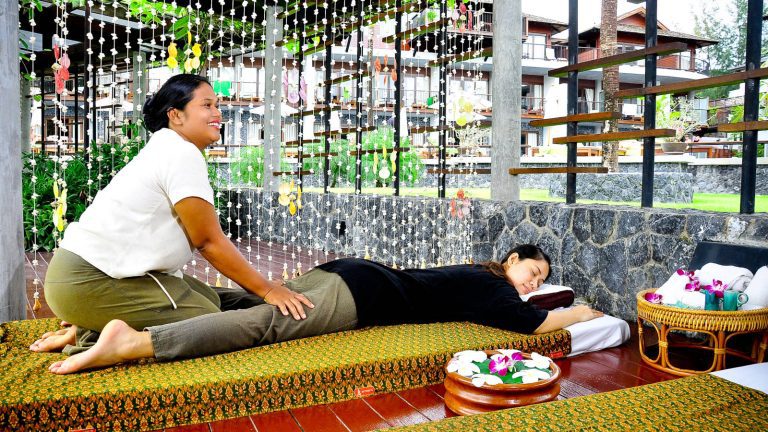
Thai massage is distinct from many other forms of massage due to its dynamic and interactive nature. Sometimes referred to as ‘lazy yoga,’ Thai massage involves the practitioner moving and stretching the recipient into various postures, much like assisted yoga.
- Unlike Western massages, which typically involve lying on a massage table, Thai massage is performed on a firm mat placed on the floor.
- Recipients remain fully clothed in loose, comfortable garments, allowing for unrestricted movement.
- Practitioners use their thumbs, palms, elbows, knees, and feet to apply pressure along the sen lines. This targeted pressure helps release tension and stimulate energy flow.
- Assisted stretches, inspired by yoga, are integral to Thai massage. These stretches increase flexibility, improve circulation, and release stored tension in the muscles and joints.
- The massage is performed in a rhythmic, meditative manner, often synchronised with the recipient’s breathing to enhance relaxation.
- Both the practitioner and the recipient are encouraged to focus on the present moment, fostering a sense of calm and awareness.
Benefits of traditional Thai massage
The benefits of Thai massage extend beyond mere relaxation. It offers a holistic approach to health, addressing physical, mental, and emotional well-being.
Physical benefits
- Improved flexibility: The yoga-like stretches enhance joint mobility and muscle flexibility.
- Pain relief: Acupressure techniques can alleviate chronic pain, such as back pain, headaches, and arthritis.
- Enhanced circulation: Rhythmic compression stimulates blood flow and lymphatic drainage.
- Boosted Immunity: By improving circulation and reducing stress, Thai massage can support immune function.
Mental and emotional benefits
- Stress reduction: The combination of physical touch and mindfulness helps reduce stress and promote relaxation.
- Enhanced mental clarity: Many recipients report feeling more focused and mentally clear after a session.
- Emotional release: Thai massage encourages the release of pent-up emotions, fostering emotional balance.
- Energy balance: By focusing on the sen lines and energy flow, Thai massage aims to restore vitality and balance the body’s internal energy systems.

(Photo: Kamalaya Facebook page)
The cultural significance of Thai massage
In Thailand, massage is more than a wellness practice; it is a cultural heritage that reflects the nation’s values of compassion and care. It is often considered an act of loving-kindness, a principle deeply rooted in Buddhist teachings.
Thai massage is a communal tradition, practised in homes, temples, and local markets. It is common for family members to learn basic techniques to help each other relieve stress and discomfort. This practice fosters a sense of connection and mutual support.
The global recognition of Thai massage as an Intangible Cultural Heritage by UNESCO in 2019 underscores its importance as a cultural treasure and its impact on global wellness practices.
Best places to get a traditional Thai massage
Experiencing a traditional Thai massage in Thailand is a journey into the heart of its culture. Visitors can choose from an array of settings, from luxurious spas to modest massage parlours and temple schools. Wherever you travel in Thailand, you’ll never be too far away from a Thai traditional massage venue. Ask for recommendations from your hotel or a local tour guide.
Bangkok
Wat Pho in Bangkok is famous for the giant Reclining Buddha statue. The historic temple is also regarded as the birthplace of traditional Thai massage.

(Photo: Shutterstock)
Long before Bangkok became the capital of Thailand, the site of Wat Pho was already significant. Originally, it served as a school for traditional medicine. Later, a temple was built on the site and the Wat Pho that visitors see today was restored and expanded in the early 1800s. During the reign of King Rama III, further restoration transformed it into a centre of learning, recognised as Thailand’s first university. It was here that the traditions of Thai medicine and massage were preserved and passed down through generations. Today, Wat Pho remains the national headquarters for preserving and teaching traditional Thai medicine and massage. Wat Pho offers both treatments and training courses with the temple’s serene environment enhancing the experience.
Chiang Mai
Chiang Mai is home to countless traditional massage venues. For a unique experience, try the temple massage at Wat Srisuphan (aka the ‘Silver Temple’) off Wualai Road or Wat Samphao in the Old City. For something more luxurious, check out Fah Lanna Spa or Oasis Spa.
Thai islands
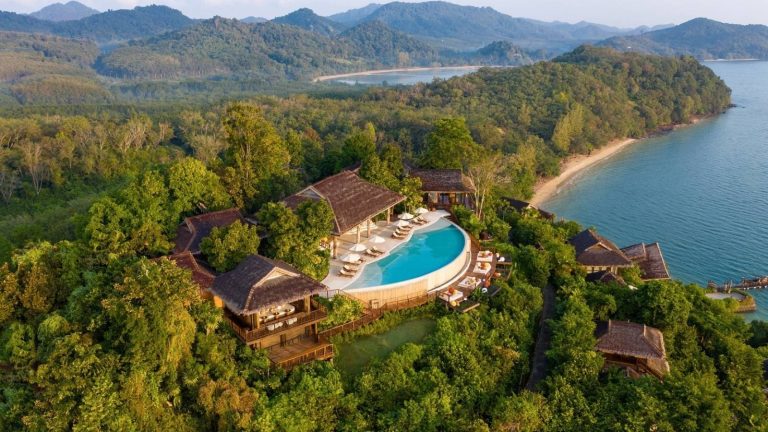
On Thai islands like Ko Samui and Phuket, Thai massage is often performed in open-air settings with ocean views, combining the healing power of nature with an expert touch.

(Photo: Absolute Sanctuary Facebook page)
On Ko Samui, take a look at the award-winning Absolute Sanctuary and Kamalaya Wellness Sanctuary. If you are travelling to Phuket, there are few better places than Amanpuri or Keemala.
Beach massage
High-end spas offer fully trained staff and a luxurious experience, but sometimes the perfect massage awaits you in a humble bamboo sala by the beach. These simple massage pavilions can be found at beach resorts across Thailand. While the quality of the massage can vary, the atmosphere of these beachside venues is hard to beat. There’s something uniquely soothing about relaxing in a serene setting, accompanied by the warmth of a sea breeze and the gentle rhythm of waves lapping against the shore.
The modern evolution of Thai massage
While traditional Thai massage remains true to its roots, it has also evolved to meet modern wellness trends. Fusion styles, incorporating aromatherapy, hot stones, or Swedish massage techniques, are increasingly popular.
Despite these adaptations, the essence of Thai massage — a focus on holistic healing and energy balance — remains intact. Its enduring appeal lies in its ability to adapt while staying grounded in ancient wisdom.
Learning Thai massage
For those inspired to delve deeper, learning traditional Thai massage is a rewarding experience. Many schools in Thailand, such as the International Training Massage School in Chiang Mai and the Wat Pho Thai Traditional Medical School in Bangkok, offer courses ranging from introductory workshops to professional certifications. These programs emphasise not only the techniques but also the cultural and philosophical aspects of Thai massage.