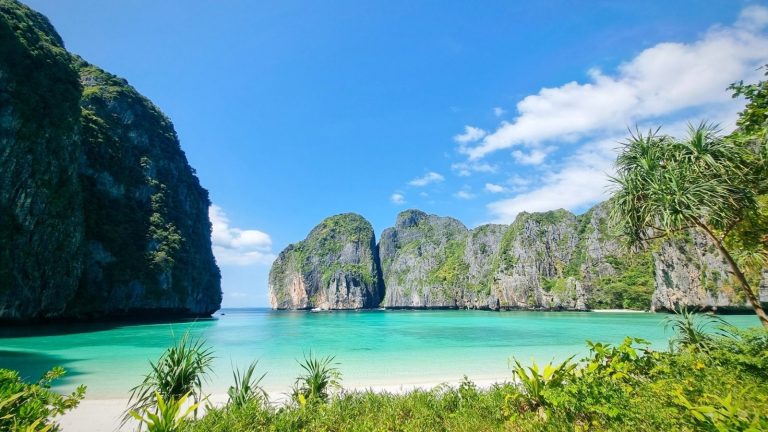
Nestled between Phuket and the mainland of Southern Thailand, Phang Nga Bay is one of Southeast Asia’s most iconic natural wonders. Dotted with dramatic limestone karsts, hidden lagoons, and quaint fishing villages, Phang Nga Bay offers visitors an unforgettable experience. Whether you’re an adventurer, a nature enthusiast, or simply seeking serenity, be sure to add Phang Nga Bay to your Southern Thailand itinerary.

(Photo: Shutterstock)
Highlights of Phang Nga Bay
James Bond Island
Even if you aren’t familiar with the name Ko Tapu, there’s a good chance you will have seen a photo of it. The needle-shaped limestone rock rising from the sea was made famous in the 1974 film The Man with the Golden Gun. Nearby is the island of Ko Khao Phing Kan where James Bond and Scaramanga duelled with pistols. Whether you are a fan of the movie or not, this is an iconic location and one which is easy to reach as part of a day tour from Phuket or Krabi.

(Photo: Shutterstock)
Ko Panyee
A fascinating floating village built on stilts, Ko Panyee is home to a community of Muslim fishermen. Wander through the narrow alleys, explore the market stalls, and enjoy freshly caught seafood. Look out too for the floating soccer pitch that showcases the villagers’ ingenuity.

(Photo: Shutterstock)

(Photo: Shutterstock)
Explore the caves by sea canoe
Exploring the hidden caves and lagoons of Phang Nga Bay by sea canoe is a magical experience. Paddle through hongs (collapsed cave systems) surrounded by towering cliffs and lush greenery. Popular spots for canoeing include Hong Island and Panak Island.
Samet Nangshe Viewpoint
This hilltop viewpoint offers panoramic views of Phang Nga Bay. Accessible by a short hike, it’s the perfect spot to witness the bay’s beauty as the morning light illuminates the limestone islands. To make the most of the experience, consider staying at least one night here at the resorts of Beyond Skywalk Nangshi or Samet Nangshe Boutique.

(Photo: Shutterstock)
Nature and wildlife
Ao Phang Nga National Park is a protected area that encompasses much of the bay, safeguarding its pristine waters, mangroves, and diverse wildlife. Bird watchers and nature lovers will find the park particularly rewarding.

(Photo: Shutterstock)
Ko Yao Islands
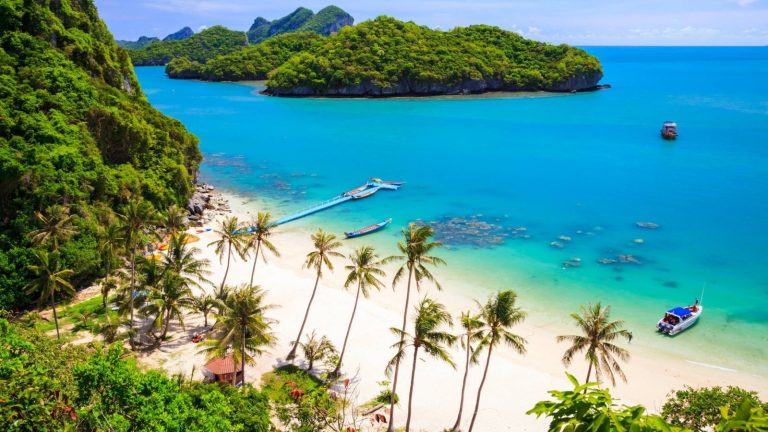
For those looking to escape the crowds, chartering a boat to lesser-known islands like Ko Yao Noi and Ko Yao Yai is ideal. These islands feature tranquil beaches, lush landscapes, and opportunities to interact with local communities.

(Photo: Shutterstock)
How to Get to Phang Nga Bay
From Phuket
Phang Nga Bay is most easily accessed from Phuket. The most convenient option is to join a day tour. These tours often include hotel pickup, boat transfers, and activities like kayaking or snorkelling.
Private boat charters or long-tail boats can be hired from Phuket’s piers, such as Ao Por or Bang Rong Pier.
There is also the option to drive to Ao Phang Nga (near Phang Nga Town) where local boats are available for hire. This is a good option if you’d like to combine a trip with Samet Nangshe Viewpoint.
From Krabi
Phang Nga Bay is also accessible from Krabi and, similar to Phuket, many organized tours depart from Krabi.
From Phang Nga Town
Take a local songthaew to Ngop-Ko Tapu pier and arrange a private tour of the bay with one of the boatmen. If you’re staying in Phang Nga Town, your accommodation should be able to arrange it for you.
From Ko Yao Noi or Ko Yao Yai
Private tours can be arranged from either island. Ask at your accommodation for more details.

(Photo: Shutterstock)
Best time to visit Phang Nga Bay
The best time to visit Phang Nga Bay is during the dry season, from November to April. This period offers calm seas, clear skies, and warm temperatures, making it ideal for outdoor activities.
- November to February: Cooler temperatures and minimal rainfall make this the peak tourist season.
- March to April: Slightly warmer, but still pleasant and less busy compared to the peak season months.
- May to October: The rainy season can bring localised heavy downpours and rough seas. There will be times when boats are forced to stay moored up. However, there will also be periods of good weather and fewer tourists means you can enjoy a more tranquil experience. If visiting during this time, plan activities in the mornings when the weather is typically clearer.