For travellers seeking a deeper connection with nature, visiting Thailand’s national parks offers an unforgettable journey through jungles, coral reefs, waterfalls, and wildlife-rich forests. From the mountains of the north to the tropical islands of the south, these protected areas showcase extraordinary biodiversity, cultural heritage, and opportunities for adventure. Listed below are a selection of Thailand’s most attractive National Parks to inspire your next trip.
Ao Phang Nga National Park
Located in southern Thailand between Phuket and Krabi, Ao Phang Nga National Park is world-famous for its dramatic limestone karsts rising vertically from the emerald-green sea. Established in 1981, the park spans more than 400 square kilometres, much of it a marine area dotted with islands, caves, and mangroves.

The park’s most iconic site is James Bond Island (Ko Tapu), which shot to fame in The Man with the Golden Gun. Beyond its cinematic fame, Ao Phang Nga is a haven for kayaking through hidden lagoons, exploring ancient sea caves, and learning about traditional fishing communities such as Ko Panyee, a stilt village built entirely over water.
Nature enthusiasts can spot mudskippers, kingfishers, and rare mangrove plants, while divers and snorkelers discover coral reefs teeming with marine life. Ao Phang Nga combines natural beauty with cultural richness, making it one of Thailand’s must-visit destinations.
Doi Inthanon National Park
In the north, Doi Inthanon National Park in Chiang Mai is known as the ‘Roof of Thailand’ thanks to its namesake peak, the country’s highest mountain at 2,565 meters. This park is a place of cool temperatures, cloud forests, and cascading waterfalls.

(Photo: Tourism Authority of Thailand)
Travellers come to hike scenic trails such as the Kew Mae Pan Nature Trail, where panoramic viewpoints reveal rolling mountains shrouded in mist. Home to more than 360 bird species, the park is also a hotspot for birdwatchers.
Cultural highlights include visiting Hmong and Karen hill tribe villages, where traditional weaving and farming practices continue. Two majestic royal stupas crown a ridge near the summit, surrounded by beautiful gardens. With its blend of nature, culture, and spirituality, Doi Inthanon embodies the diversity of Thailand’s northern highlands.

Hat Nopparat Thara-Mu Ko Phi Phi National Park
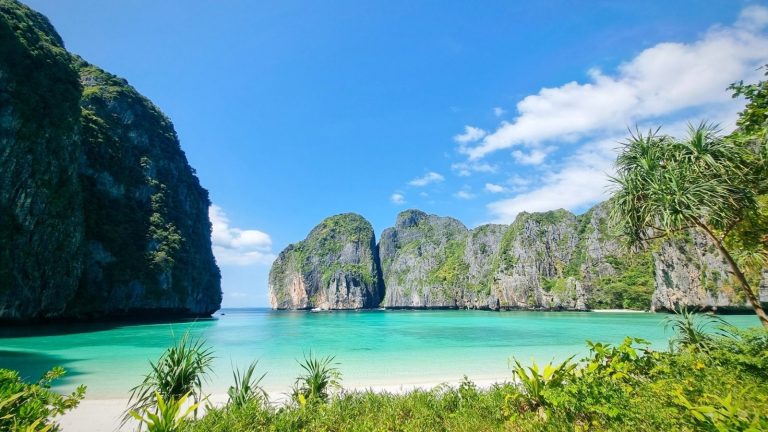
Stretching across Krabi province and the Phi Phi Islands, Hat Nopparat Thara-Mu Ko Phi Phi National Park combines pristine beaches with marine biodiversity. Famous worldwide after appearing in The Beach starring Leonardo DiCaprio, the park is much more than its cinematic allure.

The park includes Ko Phi Phi Don, the only inhabited island, and Ko Phi Phi Leh, known for Maya Bay’s stunning beach. In addition, 80 smaller islands and limestone outcrops dot the turquoise waters. Visitors can dive into coral gardens, snorkel with tropical fish, or simply relax on white sandy beaches framed by cliffs.
On the mainland, Hat Nopparat Thara Beach stretches for kilometres and is popular with locals for picnics and sunset strolls. Beyond tourism, the park protects delicate ecosystems, including mangroves, coral reefs, and nesting grounds for hawksbill and green sea turtles.
Kaeng Krachan National Park
Covering nearly 3,000 square kilometres, Kaeng Krachan National Park is Thailand’s largest protected area. Located on the border with Myanmar, this vast forested park is part of a UNESCO World Heritage Site, recognised for its incredible biodiversity.

Kaeng Krachan is home to elephants, leopards, gibbons, and more than 400 species of birds, making it a paradise for wildlife lovers. The park’s dense evergreen and mixed deciduous forests harbour rare species such as the Asiatic black bear and the clouded leopard.
Adventurers can trek to Panoen Thung Mountain for panoramic sunrise views above a sea of mist or explore the Kaeng Krachan Reservoir, where boat trips reveal islands and birdlife. For butterfly enthusiasts, the park’s streams are famous for vast congregations of colourful species during the dry season. Wild, less developed, and off the main tourist trail, Kaeng Krachan is a treasure for serious nature enthusiasts.

Khao Sok National Park
Located in southern Thailand’s Surat Thani province, Khao Sok National Park is often described as one of the world’s oldest rainforests, estimated at over 160 million years old. The park features towering limestone cliffs, caves, waterfalls, and the spectacular Cheow Larn Lake.

Created by the Ratchaprapha Dam in the 1980s, Cheow Larn Lake is surrounded by jungle-clad karsts that rival Halong Bay in Vietnam. Floating raft houses offer unique accommodations, allowing visitors to wake up amid misty mountains.

The rainforest teems with wildlife: elephants, langurs, hornbills, and the rare rafflesia, the world’s largest flower. Kayaking, hiking, and night safaris provide opportunities to immerse in the park’s natural wonders. Khao Sok’s mix of adventure and serenity makes it one of Thailand’s most beloved eco-tourism destinations.
Khao Yai National Park
Thailand’s first national park, established in 1962, Khao Yai National Park remains one of the country’s best-known. Located just a few hours from Bangkok, the park covers 2,168 square kilometres across four provinces.

The landscape ranges from lush forests to grasslands and is home to elephants, gaur, hornbills, and even tigers, though sightings are rare. Visitors often see gibbons swinging through the trees and hear the calls of the great hornbill echoing through the jungle.

Khao Yai is also famous for its waterfalls, including Haew Narok and Haew Suwat, the latter made famous by The Beach. The park has an extensive trail system for hiking, as well as night drives to spot nocturnal wildlife. As part of the Dong Phayayen–Khao Yai Forest Complex UNESCO site, Khao Yai combines easy accessibility with outstanding natural diversity.

Mu Ko Ang Thong National Marine Park
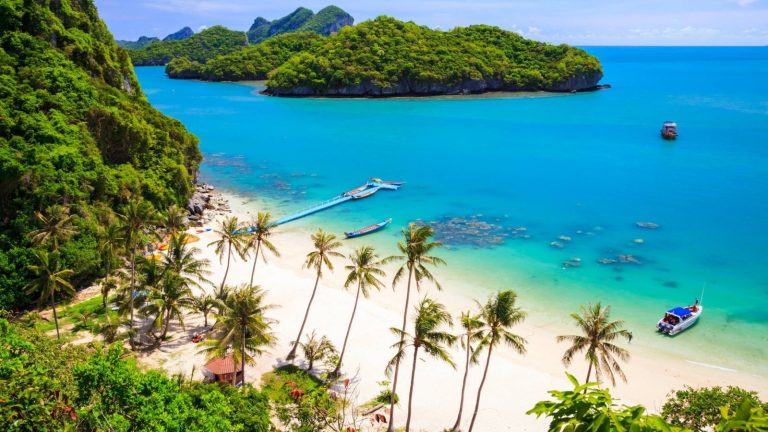
In the Gulf of Thailand near Ko Samui, Mu Ko Ang Thong is a group of 42 islands forming a breathtaking marine national park. Its name means ‘Bowl of Gold,’ and the park lives up to its reputation with emerald lagoons, limestone cliffs, and white-sand beaches.
The meaning of Mu Ko
The words Mu Ko (also spelt Mu Koh) translate as a group of islands.

The most famous viewpoint is on Ko Wua Talap, where a steep hike rewards visitors with panoramic views of the archipelago. Activities include snorkelling, sea kayaking, and diving, while some islands have caves and hidden lakes to explore.
The park is also a sanctuary for dolphins, sea turtles, and a variety of fish species. With limited development and overnight camping available on Ko Wua Talap, Mu Ko Ang Thong offers a chance to experience unspoiled island beauty away from the crowds.
Mu Ko Chang National Park
Located in Trat Province near the Cambodian border, Mu Ko Chang National Park encompasses more than 50 islands, including Thailand’s second-largest island, Ko Chang. The park combines rugged mountains, waterfalls, coral reefs, and dense rainforest.

Ko Chang is the most developed island, with beaches such as White Sand Beach and Lonely Beach attracting both families and backpackers. Inland, visitors can trek through rainforest trails to waterfalls like Klong Plu, where swimming is a popular reward after the hike.
The surrounding smaller islands, including Ko Wai and Ko Lao Ya, offer quiet beaches and excellent snorkelling. The park is rich in biodiversity, with hornbills, macaques, and monitor lizards commonly seen. Mu Ko Chang strikes a balance between accessibility and natural charm, making it a favourite for travellers seeking variety.
Mu Ko Similan National Park
Among the top diving destinations in the world, Mu Ko Similan National Park is located in the Andaman Sea, about 70 kilometres off Phang Nga province. The park consists of 11 islands, renowned for their crystal-clear waters, white sand beaches, and dramatic underwater landscapes.

Divers flock here to explore coral reefs, granite boulders, and sites like Elephant Head Rock, where manta rays and whale sharks are sometimes seen. On land, the islands are covered with tropical forests and provide nesting grounds for sea turtles.
Access to the park is seasonal, open from October to mid-May, with closures during the monsoon to protect ecosystems. Limited accommodation and camping ensure the islands remain relatively pristine. For underwater enthusiasts, Mu Ko Similan is an unparalleled experience.
Mu Ko Surin National Park
Close to the Myanmar border, Mu Ko Surin National Park is another stunning location in the Andaman Sea. Known for some of Thailand’s best snorkelling, the park is home to thriving coral reefs, crystal-clear waters, and abundant marine life.
The park consists of five islands, with Ao Mae Yai and Ao Chong Kad being popular snorkelling bays. Visitors often spot clownfish, reef sharks, and sea turtles. The waters are shallow and calm, making the park ideal for families and beginner snorkelers.

Mu Ko Surin is also culturally significant, home to the Moken, or Chao Ley (People of the Sea), who have traditionally lived a semi-nomadic life on the islands.