Thai food is famous for its bold flavours, vibrant colours, and beautiful presentation. But beyond its delicious taste and aesthetic appeal, Thai cuisine also offers a host of health benefits. With a strong emphasis on fresh herbs, vegetables, lean proteins, and balanced seasonings, many Thai dishes are naturally nutritious and beneficial for overall well-being.

(Photo: Shutterstock)
In this article, we explore the key ingredients that make Thai food so healthy and recommend specific dishes that not only taste great but can also support your health goals
Key ingredients that boost health
Chilli peppers
Chilli adds heat to many Thai dishes and is more than just a flavour enhancer. Capsaicin—the compound that makes chillies hot—can boost metabolism, reduce appetite, and help with pain relief. Chillies are also rich in vitamin C and antioxidants.

Coconut milk
Used in curries and desserts, coconut milk is high in healthy fats called medium-chain triglycerides (MCTs). These fats are more easily digested than other fats and can provide quick energy. Coconut milk also contains antioxidants and helps support brain health.

Fish sauce
While used sparingly, fermented ingredients like fish sauce add depth of flavour and are a source of beneficial probiotics, which support gut health. Just watch your sodium intake if you’re sensitive to salt.

Garlic
Garlic is a staple in Thai stir-fries and dipping sauces. It’s well-known for its heart-healthy properties, such as lowering blood pressure and cholesterol levels. Garlic also has antimicrobial and immune-boosting effects.
Ginger and galangal
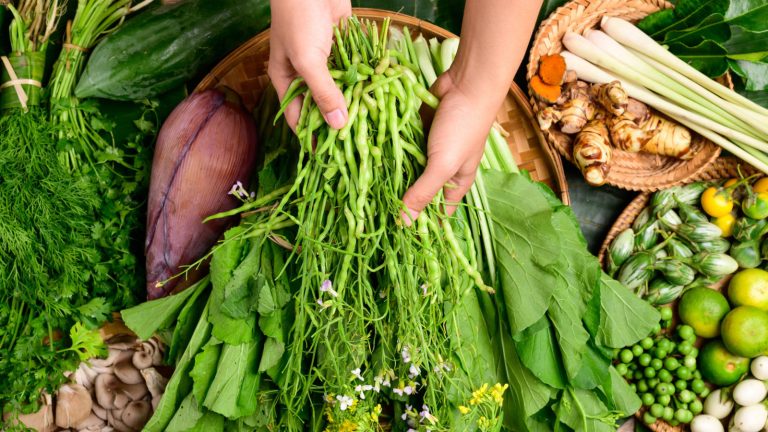
Both ginger and its cousin galangal are common in Thai cooking, especially in soups like Tom Kha Gai and curries. These roots aid digestion, reduce nausea, and have powerful anti-inflammatory properties. They also help strengthen the immune system and improve circulation.

Kaffir lime leaves
These aromatic leaves are used in soups and curries to add a distinct citrus flavour. They support digestion, have antibacterial properties, and may help detoxify the body.

Lemongrass
Lemongrass is a fragrant herb used in soups, curries, and teas. It contains antioxidants and has antibacterial and anti-fungal properties. Traditionally, it’s been used to support digestion, relieve bloating, and reduce inflammation. It also adds a citrusy brightness to dishes without the need for extra salt or sugar.

Thai holy basil
Unlike sweet Italian basil, Thai holy basil has a slightly spicy, anise-like flavour. It’s rich in antioxidants and may have antibacterial and anti-inflammatory effects. It’s often used in stir-fries and soups like pad krapao gai (stir-fried chicken with holy basil).

Turmeric
This golden spice is found in dishes like Thai yellow curry. Turmeric contains curcumin, which has potent anti-inflammatory and antioxidant properties. It’s known for supporting joint health and possibly reducing the risk of chronic diseases.

Healthy Thai dishes to try
Gaeng daeng (red curry)
Made with coconut milk, red curry paste, and a variety of vegetables and lean protein such as chicken or tofu, red curry is rich in healthy fats and antioxidants. Choose a lighter portion of rice to keep it balanced.

Laab (minced meat salad)
A northeastern Thai speciality, laab is made from minced chicken, pork, or tofu mixed with lime juice, fish sauce, chilli, mint, and roasted rice powder. It’s high in protein, low in carbs, and rich in flavour.

Pad krapao (stir-fried basil with meat)
This spicy stir-fry is usually made with chicken, pork or beef and holy basil. It’s quick to cook, protein-rich, and pairs well with a fried egg on top. Choose brown rice for added fibre.

(Photo: Shutterstock)
Pad pak (stir-fried vegetables)
Simple but flavourful, this dish includes a variety of colourful vegetables stir-fried in garlic and light soy or oyster sauce. It’s a great source of fibre, antioxidants, and plant-based nutrients.

(Photo: Shutterstock)
Som tam (green papaya salad)
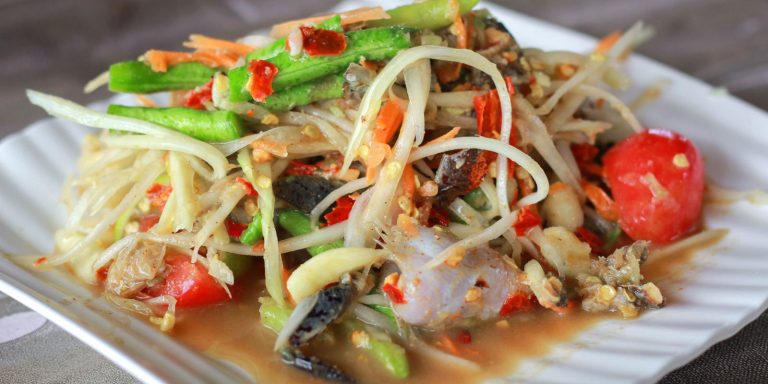
Som tam is a spicy salad made with shredded green papaya, tomatoes, long beans, lime juice, fish sauce, garlic, and chillies. It’s refreshing, crunchy, low in fat, and packed with vitamins, fibre, and enzymes that aid digestion.

Tom yum kung (spicy shrimp soup)
This hot and sour soup combines shrimp with lemongrass, kaffir lime leaves, galangal, chilli, and lime juice. It’s low in calories but high in flavour and contains a wealth of immune-boosting ingredients.

(Photo: Shutterstock)
Thai fresh spring rolls
These rolls are often packed with vegetables, herbs, shrimp or tofu, and wrapped in rice paper. When dipped in a light peanut or chilli sauce, they’re a healthy and satisfying snack or appetiser.
Tips for keeping Thai food healthy
While a lot of Thai dishes are healthy, some are healthier than others. The key is moderation and eating a balanced diet.
• Go easy on fried foods: Thai cuisine includes some deep-fried items like spring rolls and fried chicken. Enjoy them occasionally, not as staples.
• Watch the sugar: Some Thai sauces and dishes, especially in restaurants, can be heavy on sugar.
• Balance the rice: Sticky rice and jasmine rice are delicious, but portion control is key. Brown rice is a good alternative.