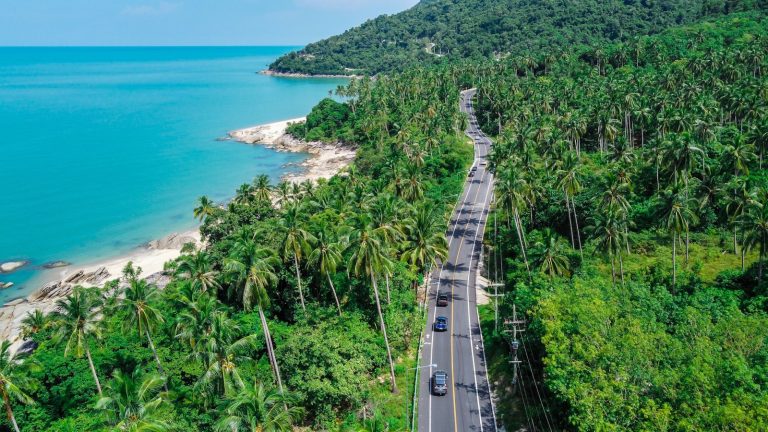
Nestled in a remote corner of Northern Thailand, Mae Hong Son is a destination that rewards those who make the journey. Majestic mountains, tranquil valleys, and a rich tapestry of cultures create an atmosphere unlike anywhere else in the country. From outdoor adventures to cultural encounters, this province offers a mix of experiences that are as diverse as they are memorable. Here’s our pick of some of the highlights you shouldn’t miss.

Travel the Mae Hong Son Loop
Reaching Mae Hong Son can be an adventure in itself, especially if you opt for the famous Mae Hong Son Loop. This scenic route winds through mountain passes and lush valleys, boasting an incredible 1,864 curves between Chiang Mai and Mae Hong Son town. Experienced motorcyclists often rate it among the best rides in Thailand, but for safety’s sake, beginners should stick to a rental car, bus, or minivan. If you’re short on time, direct flights from Bangkok to Mae Hong Son’s tiny airport offer stunning aerial views over the mountains.

Explore by tuk-tuk
For a truly unique perspective, join The Tuk Tuk Club for a backroad journey like no other. You can choose to drive your own three-wheeler after some training, or sit back and let a local driver navigate as you take in the mountain scenery and rural villages.

(Photo: The Tuk Tuk Club)
Trek in the mountains
With its rugged landscapes and cooler climate, Mae Hong Son is a trekking paradise. Hike with a local guide to discover native plants, wildlife, and remote hill-tribe villages. If you visit between November and February, pack warm clothing for chilly mornings and evenings in the highlands.

Wander through fields of sunflowers
During December and January, the rolling hills of Doi Mae U-Kho in Khun Yuam district erupt in a blaze of yellow as sunflowers blanket the slopes. The golden spectacle draws nature lovers and photographers from near and far.

Experience the cultural heritage
The province’s roots lie with the Tai Yai (Shan) people, whose elegant wooden temples feature intricate metal fretwork. Mae Hong Son is also home to Karen, Lahu, and Lisu communities. Visiting local villages offers a deeper understanding of the area’s traditions and way of life.

Community-based tourism projects in Mae Hong Son province allow visitors to stay overnight in ethnic minority villages. Organised through responsible tour operators, these homestays provide authentic cultural exchanges while supporting local livelihoods.
Celebrate the Poy Sang Long Festival
Each March or April, the Tai Yai community holds its most celebrated event, the Poy Sang Long ordination ceremony. Young boys are dressed in elaborate costumes before becoming novice monks, creating a vivid spectacle of colour, music, and tradition.

(Photo: © Mick Shippen)
Take in the views at Wat Phra That Doi Kong Mu
Sitting high above Mae Hong Son town, the hilltop temple of Wat Phra That Doi Kong Mu is one of the region’s most famous attractions. Even if you’re not a temple enthusiast, the panoramic views are worth the trip, especially in the morning when mist curls through the valley below. Afterwards, stroll around the complex and enjoy a coffee while gazing out over the surrounding mountains.

(Photo: © Mick Shippen)
Visit the lakeside temples
At the heart of Mae Hong Son town lies Chong Kham Lake, flanked by the graceful Burmese-style temples of Wat Chong Kham and Wat Chong Klang. These intricately decorated sanctuaries are beautiful both from afar and up close, especially when reflected in the still waters of the lake.

Taste Mae Hong Son’s culinary mix
Mae Hong Son’s cultural diversity is reflected in its cuisine. Alongside northern Thai staples like khao soi and gaeng hinlay, you’ll find dishes influenced by Burmese and Yunnanese traditions, including tua pu oon (chickpea soup) and kaeng khanun (jackfruit curry).

(Photo: © Mick Shippen)
Walk across the bamboo bridge
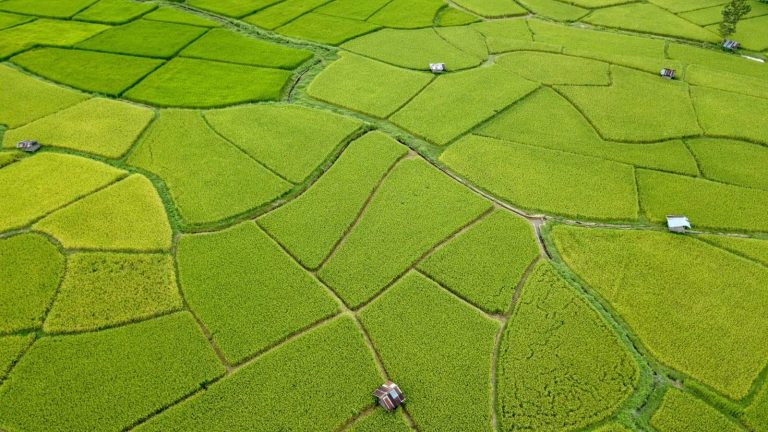
The Su Tong Pae Bridge stretches over 500 metres across rice paddies, connecting Kung Mai Saak village to a hilltop temple. Another photogenic option is the Kho Kuu So Bridge near Pai, equally picturesque against the green fields.

(Photo: © Roy Cavanagh)
Unwind in Pai
Once a backpacker secret, the riverside town of Pai has blossomed into a laid-back getaway for travellers of all kinds. Surrounded by mountains, waterfalls, and hot springs, Pai is a perfect base for exploring the northern section of the Mae Hong Son Loop.

Step into Yunnanese culture at Ban Rak Thai
This border village was founded by former Chinese Nationalist soldiers who fled to Thailand in the late 1940s. Today, Ban Rak Thai charms visitors with its tea plantations, Chinese-style architecture, and traditional Yunnanese dishes.

Camp beside Pang Oung Reservoir
Close to Ban Rak Thai lies the serene Pang Oung Reservoir, nicknamed “Little Switzerland” for its cool climate, pine forests, and misty mornings. It’s part of a Royal Project area and a favourite spot for camping.

Explore Tham Lod Cave
A river flows through the vast chambers of Tham Lod, making it possible to travel inside by bamboo raft. Guides from local villages share stories of prehistoric artefacts, including ancient wooden coffins still tucked inside. Nearby, Tham Pla (Fish Cave) makes for a pleasant side trip.

How to get to Mae Hong Son
Mae Hong Son town is home to a small airport with flights from Bangkok and Lampang. Most travellers use Chiang Mai as the base for travel to or from Pai and Mae Hong Son. There are frequent minivans from Chiang Mai to Pai (approximately 4.5 hours) and between Pai and Mae Hong Son town (approximately 3 hours). There is a less frequent and slower public bus service that also plies the route.
Practical tips
During the cool season months (November to February), Mae Hong Son is one of the chilliest locations in Thailand with mountain nights dipping into single digits, so warm clothing is essential. Days are sunny and mild, making it an ideal time for sightseeing.
March to April often brings smoke from regional slash-and-burn farming, which can affect air quality. Late April and May are extremely hot, with temperatures reaching 40°C (104°F).
The green season or rainy season (June to September/October) transforms the countryside into lush green landscapes, though isolated heavy downpours can make rural roads difficult to access.