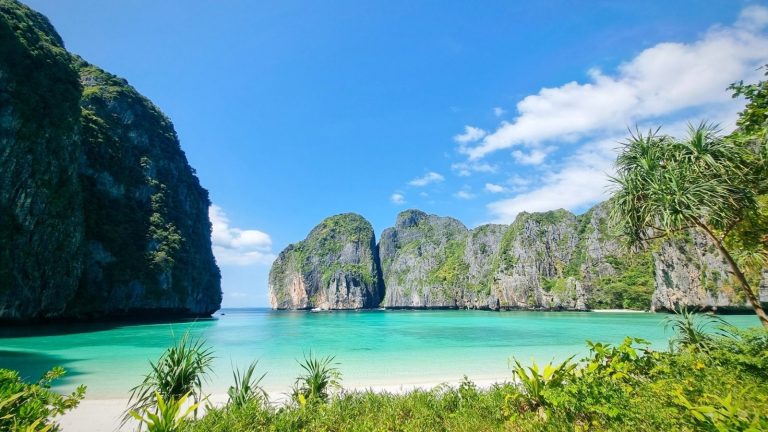
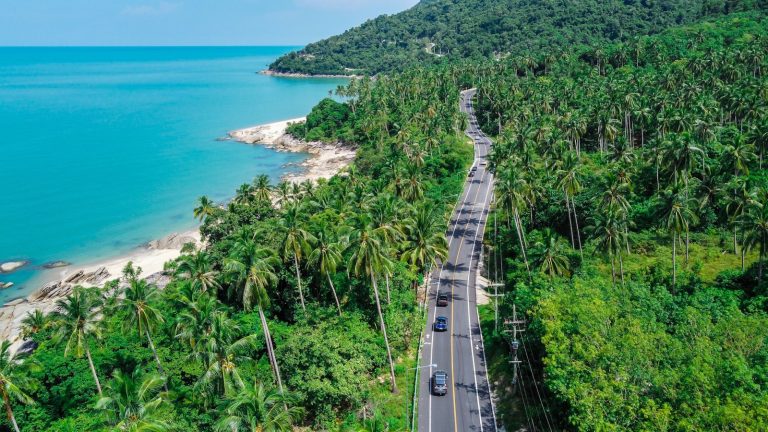
Chumphon is one of Southern Thailand’s most underrated destinations. While many travellers pass through on their way to the popular islands of the Gulf of Thailand, those who stay a little longer are rewarded with quiet beaches, welcoming communities, rich natural scenery, and a slower pace of life than on the more famous nearby tourist islands.

Located between Hua Hin and Surat Thani on Thailand’s southern coastline, Chumphon offers a more authentic side of Thai coastal life. From island-hopping adventures and eco-tourism experiences to scenic viewpoints and excellent seafood, this unspoilt province has much more to offer than simply being a transport hub.
Relax on Chumphon’s peaceful beaches
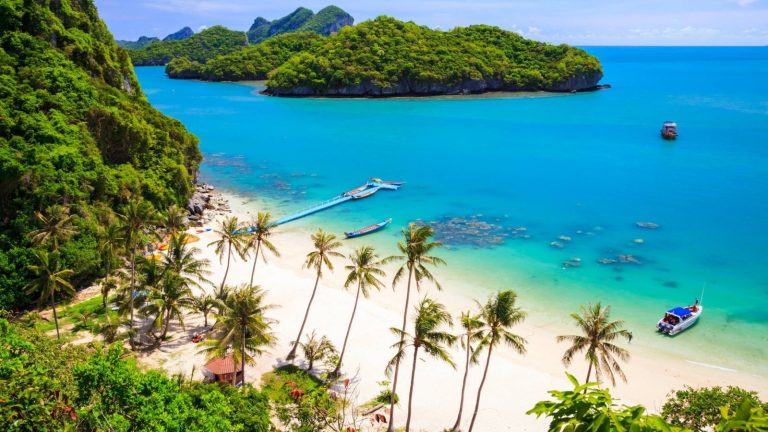
Unlike Thailand’s more commercialised beach destinations, Chumphon’s coastline remains refreshingly low-key. Two of the easiest beaches to visit from Chumphon Town are Thung Wua Laen Beach and Sairee Beach, both accessible by regular songthaew services.

Thung Wua Laen Beach is particularly popular thanks to its long sweep of soft sand, calm atmosphere, and laid-back cafes overlooking the sea. Sairee Beach, meanwhile, combines coastal scenery with historical interest and local seafood restaurants.

Travellers with their own transport can venture further along the coast to discover quieter stretches of shoreline such as Ao Thung Sang and Arunothai Beach. Chumphon is also regarded as one of Thailand’s top kitesurfing destinations. During the monsoon season, strong coastal winds create excellent conditions for both beginners and experienced riders.
Explore the islands of Mu Ko Chumphon National Park
One of the province’s biggest highlights is Mu Ko Chumphon National Park, a protected marine area encompassing more than 40 islands scattered along the coastline.

The park is especially popular with snorkellers and divers thanks to its healthy coral reefs and abundant marine life. Islands such as Ko Ngam Yai, Ko Ngam Noi, Ko Langka Jiew, Ko Ran Ped, and Ko Ran Kai offer clear waters teeming with colourful tropical fish, sea anemones, and coral gardens. Divers may also encounter larger marine species, including whale sharks, which are occasionally spotted in the waters around the national park.

Boat trips and diving excursions can be arranged from Tha Yang Pier or through local operators and resorts around Chumphon.
Experience community-based tourism
One of Chumphon’s greatest strengths is the opportunity to connect with local communities and experience a more traditional way of life.
On the small island of Ko Phitak, many residents still rely on fishing for their livelihoods. Staying overnight in a local homestay allows visitors to experience island life firsthand while supporting the local economy. Guests can join squid-fishing trips after dark and enjoy freshly cooked seafood prepared onboard.

Another excellent community tourism option is Baan Mai Chai Klong Homestay, located among canals and mangrove forests. Visitors can learn how to prepare southern Thai dishes, sample fresh seafood, explore nearby waterways, and take part in mangrove planting activities that help protect the local ecosystem.
These kinds of experiences provide a meaningful way to discover Chumphon while contributing directly to local conservation and sustainable tourism initiatives.
Discover waterfalls, caves, and wildlife
Nature lovers will find plenty to enjoy throughout Chumphon province. Beyond the beaches and islands, the region is home to waterfalls, caves, mangrove forests, and natural hot springs.

Seasonal wildlife spectacles also attract visitors. At Ban Bang Son, fireflies illuminate the mangrove forests after dark, while Khao Dinsor becomes an important migration point for birds of prey between September and November. Thousands of raptors pass overhead during this period, making it one of Thailand’s best birdwatching locations.
Go bamboo rafting
For eco-adventure experiences, head inland to Phato District, one of Thailand’s best-known destinations for bamboo rafting.

The local community has developed tourism here in a sustainable and environmentally conscious way, helping generate income while protecting forests and waterways. The annual Phato rafting festival, usually held in February, celebrates this tradition and attracts visitors from around the country.
The rafting routes pass through lush jungle scenery, fruit orchards, and gentle rapids. Most journeys take around three hours, with local guides navigating the bamboo rafts while visitors relax and enjoy the surroundings. Wildlife sightings can include hornbills, kingfishers, and spectacled langurs in the forest canopy. Depending on the season, travellers may also see orchards producing durian, mangosteen, and rambutan.
Phato is also known for robusta coffee production, with Chumphon being one of Thailand’s leading coffee-growing provinces. The fertile soil and tropical climate create ideal conditions for coffee cultivation.
Rafting activities generally operate from January to October, with February to April often considered the best period for comfortable weather and water levels.
Admire panoramic viewpoints
Chumphon’s coastline and mountains provide a number of scenic viewpoints worth visiting. Among these, Doi Ta Pang is particularly memorable. The 500-meter-high viewpoint is famous for its year-round sea of mist. The views are most atmospheric at sunrise with 360-degree views of Khao Thalu’s limestone mountains.

Khao Dinsor offers panoramic views across the province and is especially famous during the annual raptor migration season. The elevated viewpoint provides an impressive perspective of Chumphon’s forests and coastline. Another excellent viewpoint is Khao Matsee, where visitors can enjoy sweeping views across the estuary, fishing villages, and the Gulf of Thailand.
Responsible travel
The communities around Nong Yai are known for applying the late King Bhumibol Adulyadej’s philosophy of Sufficiency Economy, which promotes sustainable development and self-reliance.

Visitors can learn about local conservation projects, water management systems, and agricultural initiatives inspired by the King’s ideas. Community tourism here offers insight into how sustainable practices can support both livelihoods and environmental protection.
How to get to Chumphon
Chumphon is easily accessible from Bangkok and other parts of southern Thailand.

(Photo: Pratan Saetang/Shutterstock)
Direct flights from Bangkok’s Don Mueang Airport to Chumphon take just over one hour. Travellers can also reach Chumphon by train, with regular services running along Thailand’s southern railway line. Overnight trains from Bangkok typically take around eight hours and connect conveniently with destinations such as Hua Hin and Surat Thani.
For travellers seeking a quieter, more authentic side of southern Thailand, Chumphon is a destination that rewards those willing to slow down and explore beyond the usual tourist trail.