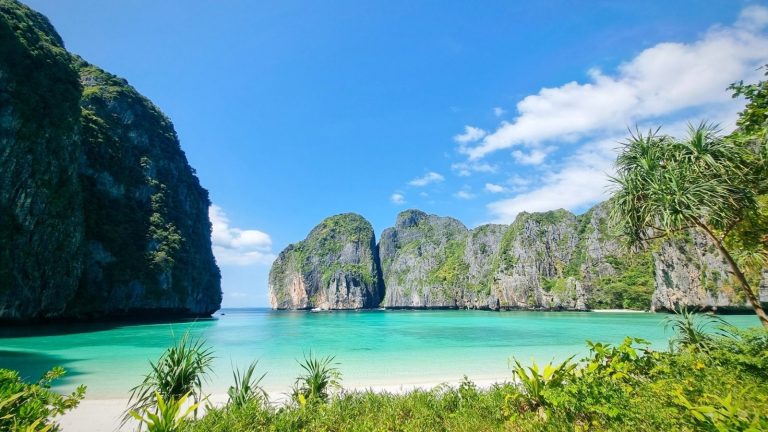
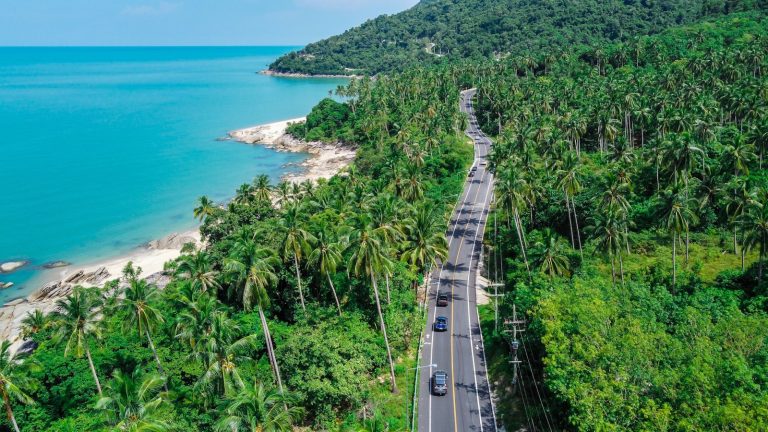
For travellers craving something beyond Thailand’s well-trodden destinations, Ranong offers a refreshing alternative. Situated on the northern stretch of the Andaman coastline near the border with Myanmar, this laid-back province remains one of the least-visited (and least-populated) in the country.

What Ranong lacks in nightlife and large-scale tourism infrastructure, it more than compensates for with raw natural beauty, authentic local culture, and a slower pace of life. This is a province where you will find jungle-clad mountains, mangrove forests, hot springs, and peaceful islands where time seems to stand still. Visiting Ranong isn’t about ticking off bucket-list attractions. It’s about slowing down, reconnecting with nature, and experiencing a side of Thailand that remains largely untouched by mass tourism.
Explore the charm of Ranong Town
Often used as a gateway to the islands, Ranong Town is worth more than just a stopover. With its relaxed atmosphere and multicultural heritage, it offers a glimpse into everyday life in southern Thailand.
Start at Talad Kao (Old Market), where locals shop for fresh produce and street food. If you’re visiting between December and April, the Saturday Walking Street Market on Rueangrat Road is a lively place to sample snacks and browse handicrafts.

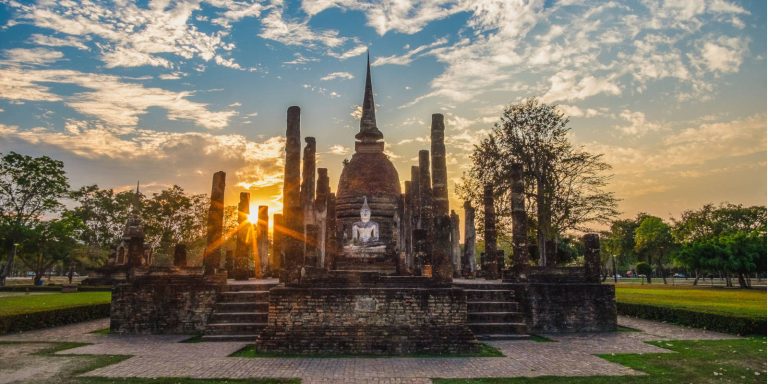
Nearby, Rattanarangsan Palace, a reconstruction of the residence built for King Rama V during his 1890 visit, provides insight into the province’s royal connections and history.
Soak in Ranong’s hot springs
Ranong is famous among Thai travellers for its natural hot springs, believed to be rich in mineral content and beneficial for relaxation.

The most accessible is Raksawarin Hot Springs, set within a landscaped park just outside the town centre. Here, you’ll find public bathing pools and private spa facilities. For a more tranquil, nature-based experience, head to Pornrang Hot Springs, set in a forested area farther out of town.
Unwind on Ko Phayam
If your idea of paradise involves simplicity and serenity, Ko Phayam is the place to be. This small island has managed to retain a wonderfully low-key atmosphere, free from the large-scale development seen elsewhere in southern Thailand.

There are no cars here, just sandy tracks, bicycles, and motorbikes, making it ideal for slow exploration. Spend your days beach-hopping between Ao Yai and Ao Khao Kwai (Buffalo Bay), relaxing in hammocks, or cycling through rubber and cashew plantations.
Wildlife lovers should keep an eye out for hornbills, which are frequently spotted across the island, especially near Wat Ko Phayam. Evenings are best spent watching spectacular sunsets over the Andaman Sea.
Go off-grid on Ko Chang
For those who want to go even further off-grid, Ko Chang (Ranong) delivers true seclusion. Often overshadowed by its namesake in Trat province, this tiny island remains blissfully undeveloped.

Accommodation is simple with wooden bungalows and small eco-resorts. The main activities revolve around swimming, kayaking, and disconnecting from the outside world. It’s the kind of destination where doing very little is exactly the point.
Island-hop in Laem Son National Park
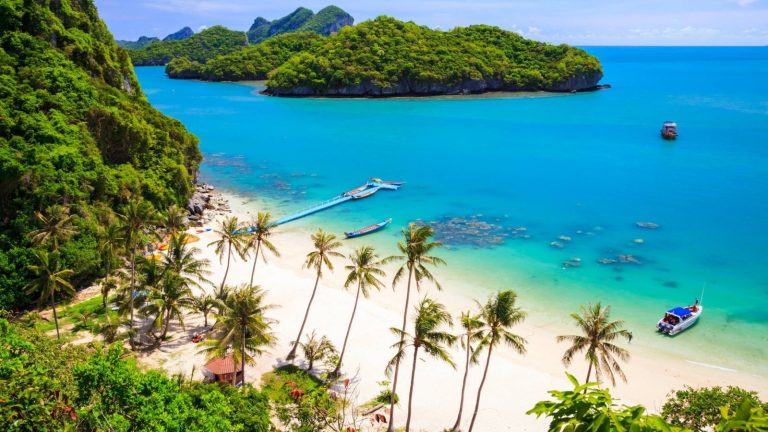
Covering a stretch of coastline dotted with islands, Laem Son National Park is a highlight for nature lovers. The park encompasses mangrove forests, quiet beaches, and a scattering of small islands ideal for day trips.

Among the most picturesque are Ko Kam Tok and Ko Khang Khao, where clear waters and coral reefs provide good conditions for swimming and snorkelling. Boat trips can be arranged from Ranong Town or Ko Phayam, particularly during the dry season.
Experience community-based tourism at Baan Talae Nok
To gain a deeper understanding of local life, visit Baan Talae Nok, a coastal village that has become a model for sustainable tourism.
Here, visitors can stay in homestays, learn about mangrove conservation, try traditional fishing techniques, and enjoy home-cooked southern Thai meals. It’s a rewarding way to support local communities while experiencing a more meaningful side of travel.
Discover Ranong’s diverse food scene
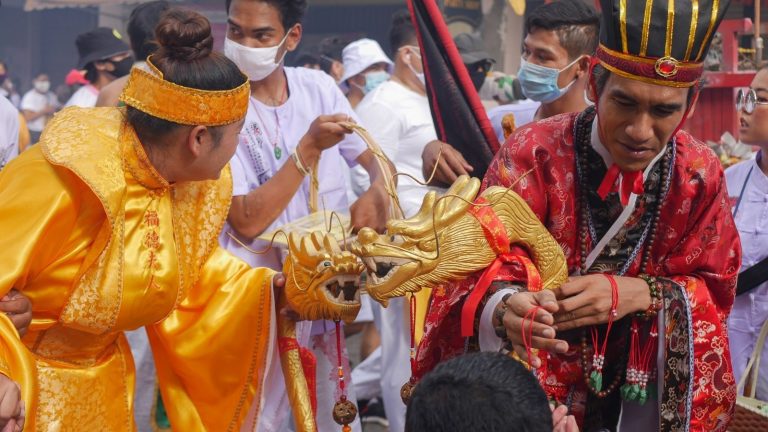
Ranong’s culinary identity reflects its history as a port and migration hub. Influences from Chinese, Burmese, and Malay communities blend into a distinctive local food culture.

At the Old Market (Talad Kao) in Ranong Town, you can sample everyday favourites like salapao (steamed buns) and moo hong (rich, slow-braised pork belly).
For a sit-down meal, Farmhouse Restaurant on Rueangrat Road is a long-established favourite known for its southern Thai dishes. And coffee enthusiasts shouldn’t miss a visit to Gong Valley in Kra Buri district, where you can learn about locally grown Ranong coffee.
Explore Ranong’s lush landscapes

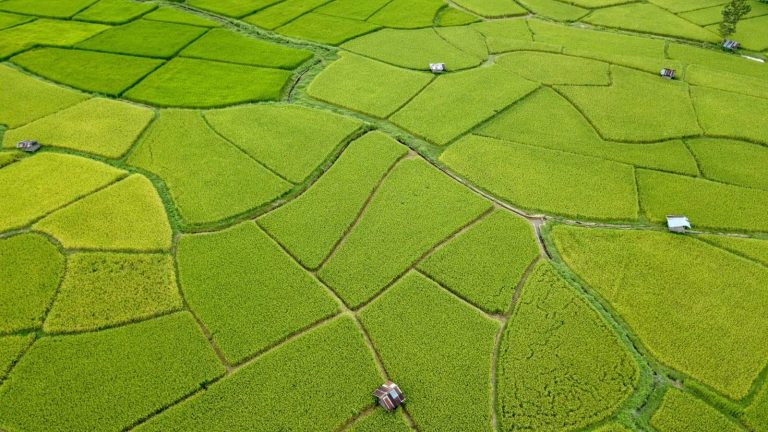
As one of Thailand’s rainiest provinces, Ranong boasts incredibly lush scenery year-round. The extended rainy season keeps the forests vibrant and waterfalls flowing. Top natural attractions in Ranong include:
- Phu Kao Ya (Bald Hill): Rolling green hills that look almost surreal, especially during the rainy season.
- Khao Fa Chi: A viewpoint overlooking the Kra Buri River and Myanmar border
- Waterfalls: Nam Tok Ngao, Nam Tok Punyaban, and Nam Tok Ton Phet are especially impressive after rainfall.

How to get to Ranong
Ranong is relatively easy to reach despite its off-the-beaten-path appeal.
- By air: Direct flights from Bangkok (Don Mueang Airport) to Ranong Airport take around 1.5 hours, operated by carriers such as AirAsia and Nok Air.
- By train + bus: Take a train from Bangkok to Chumphon (around 8 hours), then continue by bus to Ranong (approximately 2–3 hours)
- By boat: During the high season (November–April), regular boats run from Ranong Town to Ko Phayam. Services to Ko Chang are less frequent and may involve transfers

When to visit Ranong
Ranong’s tropical climate means it receives more rainfall than most Thai provinces. The best time to visit is typically between November and April, when seas are calmer and transport to the islands is more reliable.
That said, the green season (May–October) has its own appeal, with fewer visitors and lusher landscapes, but you will need to be more flexible with travel plans to allow for potential spells of unsettled weather.