Thailand’s tropical seas are famous for their clear waters, colourful coral reefs, and diverse marine life. From beginner-friendly snorkelling spots to world-class dive sites visited by live-aboard boats, the country offers countless opportunities to explore the underwater world.

However, the popularity of marine tourism has also created challenges. Large visitor numbers, poorly managed tours, and a simple lack of awareness have all contributed to damage to fragile coral reefs. Coral can take decades to grow, yet a careless fin kick or dropped anchor can destroy it in seconds.
To better protect its marine ecosystems and promote responsible tourism, Thailand introduced new regulations for marine tourism activities in April 2025. These rules apply to snorkelling, scuba diving, and other recreational activities in the sea. Visitors who understand and follow these guidelines can still enjoy Thailand’s spectacular underwater world while helping ensure marine life remains healthy for future generations.
Thailand’s snorkelling and diving regulations
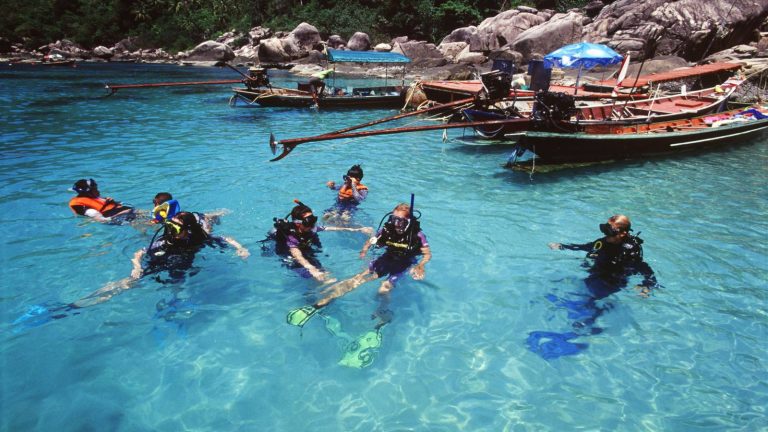
If you plan to join a snorkelling or diving excursion in Thailand, choose a reputable and responsible operator. Tour companies and dive centres must now comply with stricter environmental guidelines designed to reduce the impact of tourism on coral reefs.
The updated regulations require:
- Certified supervision on every trip. Snorkelling and diving activities must be overseen by trained staff or instructors.
- Life jackets for snorkellers. Anyone participating in snorkelling must wear a life vest unless they are certified in free diving.
- Restrictions on underwater cameras. Cameras are only permitted for advanced certified divers or divers with at least 40 logged dives. This rule aims to reduce distractions that can lead to accidental reef damage.
- Maintain distance from coral. Divers and snorkellers must remain at least two metres above coral reefs.
- Control fin movement. Participants must avoid kicking the seabed or stirring up sand near reefs.

(Image: TAT Newsroom)
Certain activities are strictly prohibited, including:
- Touching, holding, or moving marine animals
- Feeding fish or other wildlife
- Stirring up sediment or disturbing the seabed
- Littering in the ocean
- Walking on the seabed or reefs
These rules are intended to minimise disturbance to marine habitats and encourage safer, more sustainable marine tourism.
Choose reef-safe sun protection
Responsible snorkelling and diving also includes protecting coral from chemical pollution. Scientific studies have shown that some common sunscreen ingredients can harm coral reefs by contributing to bleaching, damaging coral larvae, and interfering with coral reproduction.
Because of this, Thailand has banned certain chemicals in sunscreen products in its national parks. Visitors who bring or use sunscreen containing the following substances may face fines of up to 100,000 baht:
- Oxybenzone (Benzophenone-3, BP-3)
- Octinoxate (Ethylhexyl methoxycinnamate)
- 4-Methylbenzylidene Camphor (4MBC)
- Butylparaben

One simple way to reduce the need for sunscreen is to wear protective clothing in the water. UV shirts or rash guards offer excellent sun protection and are widely used by divers and snorkellers. They also provide a barrier against jellyfish stings and minor scrapes from rocks or coral.
If you do apply sunscreen, choose a reef-safe product that avoids harmful chemicals and apply it well before entering the water.
Responsible diving practices
Scuba divers often have the advantage of training and experience, but even experienced divers can accidentally damage coral reefs if they are not careful. Good buoyancy control is one of the most important skills for protecting the underwater environment.

Divers should always remain aware of their position in the water and keep equipment streamlined to avoid brushing against coral formations. Poor buoyancy or dangling cameras can easily break fragile coral structures.
If you have not dived for several months or longer, it is wise to take a refresher course before joining regular dives. This helps restore buoyancy skills and ensures safe diving practices.
Avoid touching coral, resting on the seabed, or chasing marine animals for photographs. Many of Thailand’s most popular dive destinations, such as Ko Tao, the Similan Islands, and Surin Islands, attract large numbers of divers, making responsible behaviour even more important.
Choosing dive centres that emphasise environmental awareness can also make a difference. Operators that provide thorough reef briefings, limit group sizes, and use environmentally friendly mooring systems help reduce overall pressure on dive sites.
Responsible snorkelling tips
Snorkellers are just as important as divers when it comes to protecting Thailand’s reefs. Because snorkelling typically takes place in shallow water, participants are often very close to delicate coral formations.

When entering the water from a beach or boat, do so slowly and carefully. Try to float horizontally on the surface and avoid standing on coral or kicking the seabed.
Fin kicks can easily break coral branches, many of which have taken decades to grow. Staying calm and moving slowly not only protects the reef but also improves your chances of seeing marine life behaving naturally.
Wearing a rash guard instead of heavy sunscreen also helps reduce chemical pollution in shallow reef areas.
Patience is key when snorkelling. Observing fish, turtles, or reef creatures quietly from a distance allows you to appreciate their natural behaviour without disturbing them.
How to find responsible operators
Not all marine tours are created equal, and selecting the right operator can significantly reduce your environmental impact. Responsible companies should:
- Keep snorkelling and diving groups small
- Provide clear environmental briefings before entering the water
- Use mooring buoys instead of dropping anchors onto reefs
- Encourage safe wildlife viewing without feeding or chasing animals
Avoid tours that promise guaranteed wildlife encounters or encourage feeding fish, as these practices can disrupt natural ecosystems.
Best places to snorkel and dive in Thailand
Thailand is home to some of Southeast Asia’s most impressive marine destinations. Shallow reefs around islands such as Ko Tao, Ko Lipe, and Ko Phi Phi offer excellent snorkelling, while more advanced divers can explore deeper dive sites and underwater pinnacles.

For experienced divers, live-aboard trips to the Similan Islands and Surin Islands provide access to spectacular coral reefs and large pelagic species.
To protect marine ecosystems, many national marine parks operate seasonal closures, usually during the monsoon season. These closures give reefs time to recover from tourism pressure and natural stress. Before planning a trip, it is always worth checking which parks and dive sites are open during your visit.
11 of the best snorkelling and diving locations in Thailand
Enjoy Thailand’s underwater world responsibly
Thailand’s coral reefs are among the country’s most valuable natural treasures. By following responsible snorkelling and diving practices, visitors can help protect these fragile ecosystems while still enjoying unforgettable underwater experiences.

Whether you are floating above a coral garden with a snorkel or exploring deeper waters on a scuba dive, simple actions such as maintaining distance from coral can make a real difference. With thoughtful travel choices and respect for the marine environment, Thailand’s spectacular underwater world can continue to inspire travellers for many years to come.