Located in the lower north of Thailand, Sukhothai is a picturesque destination with a history that dates back to the golden age of Thai civilization. Sukhothai was the first capital of the Kingdom of Siam in the 13th century and is home to ancient ruins, cultural treasures, and tranquil landscapes. Whether you’re a history buff, a cycling enthusiast, or someone seeking a peaceful Thai experience away from the crowds, Sukhothai is always a pleasure to visit.

Explore Sukhothai Historical Park
No trip to Sukhothai is complete without a visit to Sukhothai Historical Park, a UNESCO World Heritage Site that spans over 70 square kilometres. The park is divided into five zones, but the central zone is the most popular and accessible.
The best way to explore the park is by bicycle, which can be rented near the entrance. As you cycle around the park, you will see impressive ruins of palaces, temples, and statues that reflect the grandeur of the ancient Sukhothai kingdom.

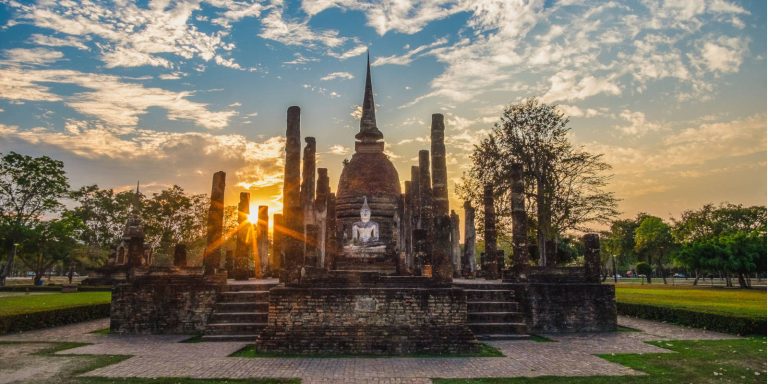
The most iconic temple is Wat Mahathat, featuring a large seated Buddha surrounded by lotus-bud chedis and standing Buddha images. This is also a great place to watch the sunset.

Another highlight is Wat Si Chum, known for its 15-meter-tall seated Buddha hidden inside a mondop with a narrow passageway that creates a dramatic reveal.

Visit the Ramkhamhaeng National Museum
Located just outside the historical park, the Ramkhamhaeng National Museum offers a deeper insight into the Sukhothai period. Named after King Ramkhamhaeng the Great, the museum showcases artefacts, stone inscriptions, ceramics, and religious art from the region.
Exhibits are well-organised and labelled in both Thai and English, making it an excellent stop for understanding the historical context of the ruins and the development of Thai culture, language, and governance during the 13th and 14th centuries.
Take a day trip to Si Satchanalai Historical Park
About 60 kilometres north of Sukhothai, Si Satchanalai Historical Park is a lesser-known but equally magnificent collection of ancient ruins. Once a sister city to Sukhothai, Si Satchanalai served as an important administrative and religious centre.
The park is quieter than Sukhothai Historical Park, offering a more meditative and uncrowded experience. Temples like Wat Chang Lom, with its elephant-adorned chedi, and Wat Chedi Jet Thaew, with its elegant pagodas, are must-sees. Like Sukhothai Historical Park, the best way to explore is by bike, and rentals are available at the entrance.

If you have time to spare, the nearby town of Sawankhalok is also worth a visit with its street art and historic buildings.
Stay at a local village
Combine your visit to the ancient ruins of Si Satchanalai with an overnight homestay in the charming village of Ban Na Ton Chan, just 15 kilometres away. This award-winning community is celebrated for its sustainable tourism initiatives that preserve local traditions while warmly welcoming visitors into village life. Surrounded by peaceful countryside, it’s the perfect place to unwind, connect with locals, and gain a deeper understanding of rural Thai culture.
Visit local markets
For a taste of local life, visit Sukhothai’s morning or evening markets, where you can find everything from fresh produce to handmade crafts and regional street food. Sukhothai noodles (kuay tiew Sukhothai) are a must-try dish — a sweet and tangy noodle soup typically served with sliced pork, green beans, and crushed peanuts.

(Photo: Roy Cavanagh)
Another local speciality is khao purp, a noodle dish with a rich pork broth and wide rice noodles. Don’t miss the opportunity to try desserts like khanom buang (Thai crispy pancakes) or khao tom mat (sticky rice with banana wrapped in banana leaves).

Watch the morning alms round
Wake up early and experience one of Sukhothai’s most serene traditions — the early morning alms-giving ceremony. A particularly beautiful spot to witness this is at Wat Traphang Thong, located in the heart of Sukhothai Old City. A wooden footbridge spans a tranquil lake leading to the temple, where, at dawn, locals gather to offer food and prayers to the monks as they walk silently past.

(Photo: Roy Cavanagh)
You don’t need to be Buddhist to observe or participate, but it’s important to show respect for the custom. Whether you’re giving alms or taking photos, dress modestly, remain quiet, and follow the example of the Thai people around you.
Stay at Boon Lott’s Elephant Sanctuary
Founded in 2007, Boon Lott’s Elephant Sanctuary (BLES) is nestled in a tranquil, forested area north of Si Satchanalai Historical Park. This ethical sanctuary limits visitor numbers to ensure a peaceful, stress-free environment for both elephants and guests.

(Photo: BLES Facebook page)
BLES provides a haven for rescued and retired elephants, allowing them to roam freely and live as naturally as possible. Beyond its compassionate care for elephants, the sanctuary also supports the surrounding community and promotes education on elephant welfare and environmental conservation.
Join a traditional festival
If your visit coincides with Loy Krathong (usually in November), you’re in for a magical experience. In Sukhothai, the festival is celebrated with extra grandeur, as it is believed to have originated here. Locals float intricately decorated offerings on water, and the festivities include traditional dance, music, lantern displays, and fireworks against the backdrop of ancient temples.

Another notable event is the King Ramkhamhaeng Festival, held in January, which celebrates the legacy of the Siamese monarch through parades, reenactments, and cultural exhibitions.
Enjoy the natural scenery
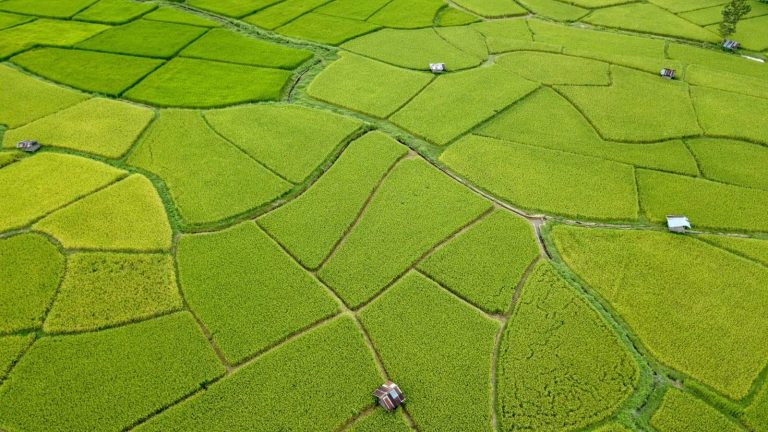
Beyond its historical sites, Sukhothai also offers natural beauty and outdoor adventures. You can explore local villages, rice paddies, and mountains through cycling tours. The area’s gentle terrain and quiet roads make it perfect for casual exploration.

Nearby, Ramkhamhaeng National Park offers hiking trails, waterfalls, and scenic viewpoints. It’s a great escape into nature and an opportunity to see native wildlife and flora.