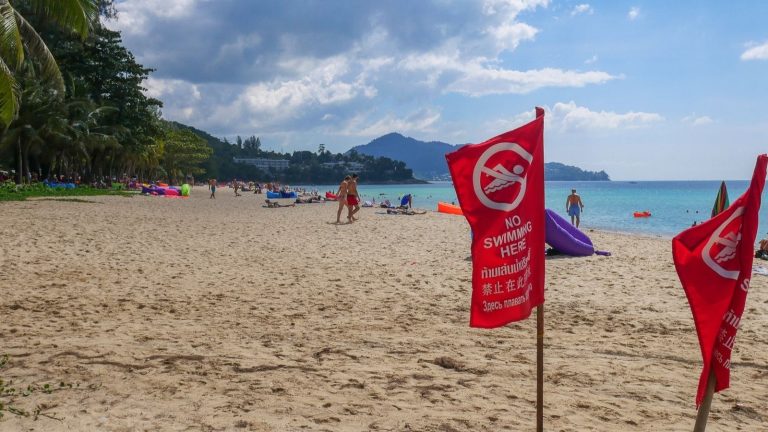
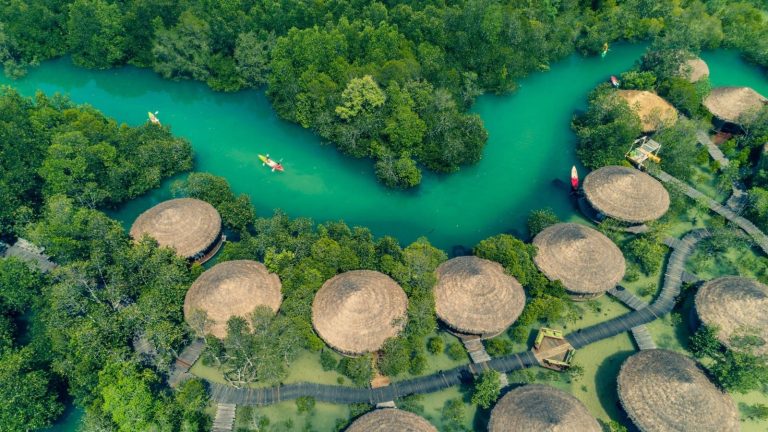
Trang sits quietly on Thailand’s Andaman Coast, south of Krabi and well away from mass tourism. For travellers who enjoy island-hopping without crowds, fixed itineraries, or nightlife-driven resorts, Trang offers an appealing alternative. The Trang Islands are close enough to combine easily, yet varied enough to reward slow exploration, from snorkelling hotspots to working fishing communities.

Ko Kradan
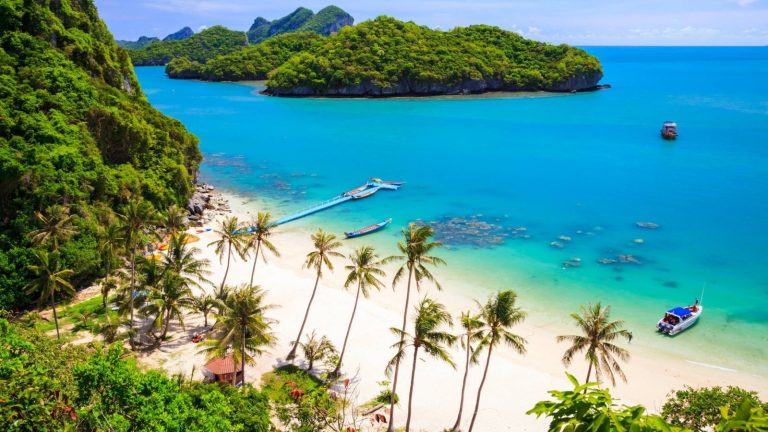
Regularly ranked among Thailand’s best beaches, Ko Kradan is known for exceptionally clear water and snorkelling directly from the shoreline.

Development on the island is minimal, creating a peaceful, back-to-nature atmosphere ideal for couples and travellers seeking tranquillity. With no nightlife and limited facilities, days on Ko Kradan revolve around swimming, snorkelling and sunset walks. The choice of accommodation and dining is limited compared to other islands, but it is this lack of development which adds to Ko Kradan’s appeal.
Ko Lao Liang
Ko Lao Liang is a remote twin-island destination, renowned for dramatic limestone cliffs rising straight from the sea. Part of Mu Ko Petra National Park, the islands are best known for rock climbing, snorkelling, and their wild, untouched feel.

Although camping has been allowed in the past, it is not currently available. This means you will need to visit on a day trip by taking a longtail boat from Ko Sukorn or Ko Libong. Note that Ko Lao Liang is only open to visitors during the dry season months from November to April.
Ko Libong
Ko Libong is the largest island in Trang and one of southern Thailand’s most authentic island destinations. Known for its traditional Muslim fishing villages and rich marine ecosystems, the island is especially famous as a habitat for rare dugongs. These enigmatic creatures feed on the seagrass beds around the island.

Ko Libong has a relaxed, local atmosphere with little tourism development, making it ideal for travellers interested in culture, wildlife, and slow travel. Highlights include birdwatching, mangrove forests, quiet beaches, and spectacular sunsets over the Andaman Sea.

Ko Mook
With quiet beaches, traditional fishing villages, and a relaxed local atmosphere, Ko Mook is a great base to explore the other Trang Islands. Tourism on Ko Mook remains low-key, with small resorts and guesthouses rather than large developments.

Ko Mook suits travellers seeking a balance of natural highlights and cultural authenticity, with snorkelling, kayaking, and sunset views providing simple pleasures away from busier island destinations. The island is best known for the Emerald Cave (Tham Morakot), a hidden lagoon accessed by swimming through a dark sea tunnel. While this attraction can get busy, most are day-trippers from Krabi and Ko Lanta, so you can visit earlier in the morning to avoid the busiest times.
Ko Ngai
Ko Ngai is a resort-focused island with long beaches and calm seas, making it suitable for travellers who want simplicity without foregoing creature comforts. Although the island is part of Krabi province, it’s still a good choice as part of an island-hopping itinerary covering Trang.

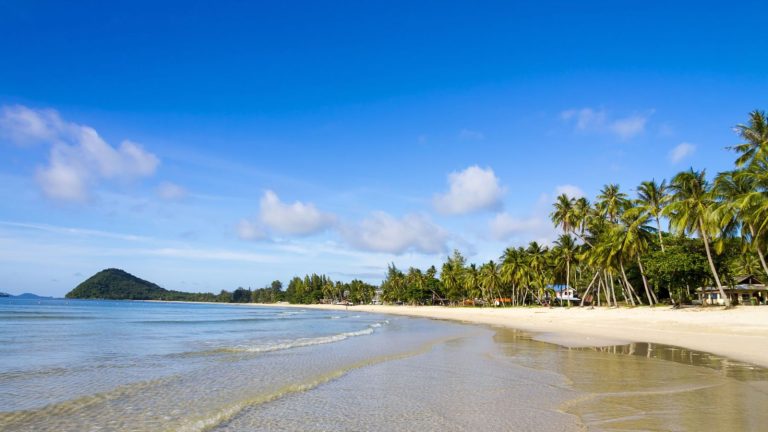
Ko Ngai is prized for its long stretch of soft white sand and aquamarine Andaman Sea waters. With no villages or roads, life on Ko Ngai revolves around relaxed beachfront resorts and unspoilt nature. Snorkelling is excellent just offshore, with colourful coral reefs and abundant marine life. The island’s calm atmosphere makes it popular with couples and travellers seeking quiet seclusion. Evenings are low-key, defined by sunset views, gentle waves, and starlit skies rather than nightlife.
Ko Sukorn
While Ko Sukorn lacks the stunning beaches found on the other Trang Islands, this has meant it has avoided mainstream tourism. This remains an island for local people. Home to farming and fishing communities, the landscape is dotted with rice fields, rubber plantations, and quiet villages rather than resorts. Tourism is minimal, making Ko Sukorn ideal for travellers seeking cultural immersion and slow travel experiences.

Visitors can explore the island by bicycle, meet friendly locals, and enjoy uncrowded beaches. With its peaceful pace and authentic atmosphere, Ko Sukorn will appeal to those who value simplicity and local character over luxury.
Travel to Trang
Reaching the Trang Islands is relatively easy, with multiple transport options to suit different schedules and budgets. The fastest route is by air, with daily flights from Bangkok to the provincial capital of Trang Town taking about 1 hour and 20 minutes. Trang Airport is just a short drive from the town centre, making onward connections simple. Another option is flying to Hat Yai, then travelling across to Trang by bus.

(Photo: Roy Cavanagh)
Travelling by train is slower but rewarding. Overnight and daytime services run from Krung Thep Aphiwat Central Terminal, with the journey to Trang lasting around 13–14 hours and offering changing scenery along the way.
Although many travellers only use Trang Town as a transit point, this is an amiable town with an excellent food scene and it’s worth spending at least a few nights here.
Once in Trang, boat transfers between the islands can be arranged through hotels or local tour offices in town or on the islands. When booking boat tickets this way, you won’t need to worry about getting to the right pier because transport to the pier is all arranged for you. A variety of piers are used depending on the island you are travelling to, with Hat Yao Pier and Pak Meng Pier being the two main departure points for most (but not all) of the Trang Islands.
Practical tips for island-hopping in Trang
- November to April are the best months to visit with the calmest seas for boat travel.
- May to October is the low season and boat routes and timings may change depending on sea conditions, so be flexible with your travel plans.
- There are a limited number of ATMs on the smaller islands, so carry cash with you.
- Bring reef-safe sunscreen and dry bags.
- Respect wildlife and avoid touching coral.