Burm & Emily’s Elephant Sanctuary (often called BEES) is one of northern Thailand’s most inspiring examples of ethical elephant tourism. Located in the rural Mae Chaem district, around 2.5 hours southwest of Chiang Mai city, this family-run project gives elderly and overworked elephants a peaceful retirement where they can simply be elephants again.

Meet the founders
BEES was founded in 2011 by Thai–Australian couple Burm Pornchai Rinkaew and Emily Rose McWilliam. Emily first came to Thailand from Australia as a teenager in 2009. While backpacking, she saw elephants chained, giving rides and performing tricks in tourist camps. The sight of older elephants still being forced to work long days affected her deeply, and she promised herself she’d create an alternative. 
Back in Australia, Emily studied Captive Animal Management at Sydney’s Taronga Training Institute, while Burm studied tourism at Rajabhat University in Chiang Mai. When the opportunity arose to start a retirement sanctuary in Burm’s home area of Mae Chaem, they combined their skills and passion and Burm & Emily’s Elephant Sanctuary was born.
From the beginning, BEES was designed as a “no rides, no tricks, no bathing” project. Instead of elephants entertaining humans, the aim is the opposite: humans quietly observe elephants in their own forested home. 
Burm grew up in Mae Chaem and has a close relationship with the local community. That connection is central to the sanctuary’s success. By renting land from local families, buying food locally and creating jobs, BEES ensures that protecting elephants and forests also benefits the village economy. 
Emily brings her animal-care background and a fierce commitment to welfare. Many of the elephants at BEES are elderly females who spent decades in logging or tourist camps. At BEES, the elephants finally get the chance to wander, socialise and graze at their own pace.
The couple also run parallel rescue work for dogs and cats, and have planted thousands of trees with the help of visitors and local schools to restore degraded forest areas around Mae Chaem. The philosophy at BEES is simple:
- Give elephants freedom of choice and space
- Keep a hands-off policy for visitors
- Support the local community and environment at the same time

Reasons to visit Burm & Emily’s Elephant Sanctuary
This is a truly ethical elephant centre. The elephants set the pace and the rules; your role is to quietly observe and learn. A visit to BEES is also an education in ethical wildlife tourism. You’ll leave with a deeper understanding of elephant welfare, the realities of the tourism industry and how your future travel choices can help, rather than harm, animals. 
Many of the elephants at BEES are seniors who have put in a lifetime of work. Your visit helps fund their retirement, providing food, medical care and secure land leases so they’ll never have to return to the tourism or logging industries. 

By basing the sanctuary in Burm’s home district and working closely with local families, BEES shows how wildlife conservation and rural livelihoods can go hand in hand. Fees from visitors ripple out into the surrounding community in a positive way.
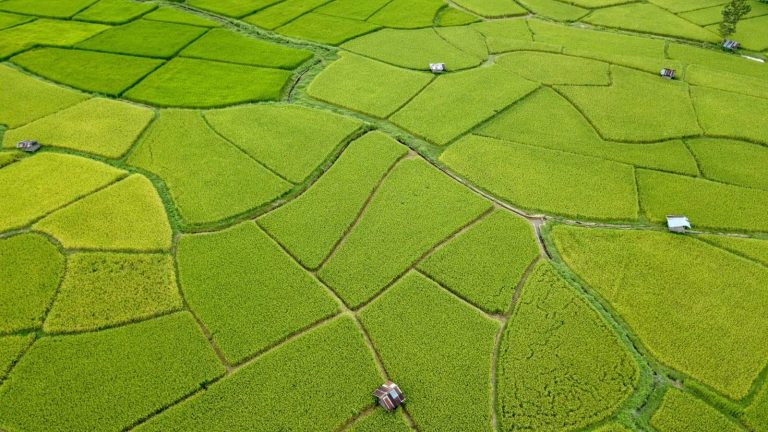
Mae Chaem is one of northern Thailand’s most beautiful valleys, with rice fields, forested hills and cool mountain air. Staying overnight, away from the city, lets you slow down, stargaze and appreciate this landscape as much as the elephants. 
What to expect when you visit BEES
BEES isn’t a quick half-day selfie stop. Most visitors join either a 2-day/1-night or 4-day/3-night programme, which includes transfers from Chiang Mai, basic but comfortable accommodation, and meals. A typical 2-day visit might include:
- Day 1: Morning pickup from Chiang Mai city, followed by a scenic drive through the mountains to Mae Chaem. You will then get an orientation, safety briefing, and an introduction to the elephants from a distance. After time to settle in, you can meet the rescue dogs and cats, and visit a local spring.
- Day 2: A full-day forest walk following the elephants at a respectful distance as they roam, forage, dust bathe or cool off in the river. You will have opportunities to learn from the BEES team about each elephant’s history and personality. You will then leave in the late afternoon for the return journey to Chiang Mai city.
Longer stays at BEES will include helping out with whatever jobs are needed. It could be preparing food supplements, cleaning shelters, helping with community projects or tree-planting, and generally experiencing the rhythm of life at a small, working sanctuary. 

Throughout, there is no elephant riding, no bathing and no direct touching or feeding. Instead, the focus is on observation and understanding what ethical elephant care really looks like. 
How to get there from Chiang Mai
BEES is located in Mae Chaem district, southwest of Chiang Mai city, and the journey takes around 2.5 hours by road, depending on conditions.
The easiest and most common option is to book one of BEES’ visit programmes. These include round-trip transport with the team picking you up from a central point inside Chiang Mai Old City and dropping you back there at the end of your stay. 

BEES generally prefers guests to use their organised transfers (both for safety and scheduling), but if you’re in the area independently, Mae Chaem is accessible via winding mountain roads from Chiang Mai and Doi Inthanon. If you’re considering driving, it’s best to contact BEES directly for the latest advice and directions. 
Because BEES runs on set programme dates, you usually need to book in advance via their website or email. This is not a walk-in attraction. 
If you’re heading to Chiang Mai and want an experience that’s meaningful, low-impact and genuinely good for elephants, Burm & Emily’s Elephant Sanctuary is a beautiful choice. Just be prepared: after two days watching elephants simply be elephants, it might change how you look at wildlife tourism forever.
BEES website | BEES on Facebook | BEES on Instagram
Photo credits: BEES Facebook page