Kanchanaburi province offers a diverse range of experiences, from poignant historical landmarks to breathtaking natural beauty. Whether you’re interested in learning about World War II history, exploring lush national parks, or enjoying a peaceful retreat along the river, Kanchanaburi has something for everyone. The activities we’ve highlighted represent a good cross-section of what Kanchanaburi has to offer.
Wartime sites and experiences
Death Railway
The Thai-Burma Railway is known as the Death Railway because of the number of men who lost their lives during the construction. Working under brutal conditions, thousands of Allied prisoners of war (POWs) and local labourers died during its construction. Taking a train trip on the Death Railway today is a poignant reminder of the past. The most famous stretch is the section over the Wampo Viaduct which offers incredible views over the river.

(Photo: Shutterstock)
Tham Krasae Cave is another highlight along the Death Railway. Located on a cliff by the Kwai Noi River, the railway track passes right in front of the cave. To visit the cave and Buddhe image inside you can make the short walk along the train tracks from the train station at Tham Krasae.
Bridge on the River Kwai
One of Kanchanaburi’s most iconic landmarks, the bridge over the River Kwai is another part of the infamous Death Railway constructed during World War II. Today, the bridge is a symbol of this dark period in history, and visitors can walk along it, take photos, or ride a train across the original tracks. Visit the nearby JEATH War Museum to learn more about the history of the railway and the hardships faced by the POWs.

(Photo: Shutterstock)
Hellfire Pass Memorial Museum and Walking Trail
Hellfire Pass is a section of the Death Railway where prisoners of war and forced labourers were tasked with cutting through solid rock to make way for the railway tracks. The name comes from the eerie glow of torches at night that resembled hellfire during the construction. The memorial museum and the walking trail offer a sobering insight into the suffering endured during the war.

(Photo: Shutterstock)
Kanchanaburi War Cemetery
Also known as Don Rak War Cemetery, this solemn site is the final resting place of nearly 7,000 Allied POWs who died during the construction of the Death Railway. The beautifully maintained cemetery is a poignant reminder of the human cost of war, and many visitors come here to pay their respects.

(Photo: Roy Cavanagh)
Nature and wildlife
Erawan National Park and Erawan Waterfalls
Erawan National Park is one of Thailand’s most stunning natural attractions. The highlight of the park is the seven-tiered Erawan Waterfall, named after the three-headed white elephant from Hindu mythology. Each tier of the waterfall is unique, with inviting pools where you can swim surrounded by lush jungle.

(Photo: Nach-Noth / Shutterstock.com)
Sai Yok National Park
Sai Yok National Park is famous for its verdant forests, waterfalls, and caves. Sai Yok Yai Waterfall is the main attraction here and a pleasant location to swim and relax. The park is also home to a variety of wildlife, including bats, birds, and even elephants.

(Photo: Shutterstock)
Stay overnight at one of the floating raft houses on the Khwae Noi River for a truly unique experience with River Kwai Jungle Rafts and the Floathouse River Kwai both recommended options.
Elephants World
Elephants World is a sanctuary for rescued elephants where you can interact with Thailand’s national animal in an ethical environment. Book your visit in advance as this popular sanctuary limits the number of daily visitors to ensure a positive experience for both guests and the elephants.

(Photo: Roy Cavanagh)
Culture and Heritage
Wat Tham Suea (Tiger Cave Temple)
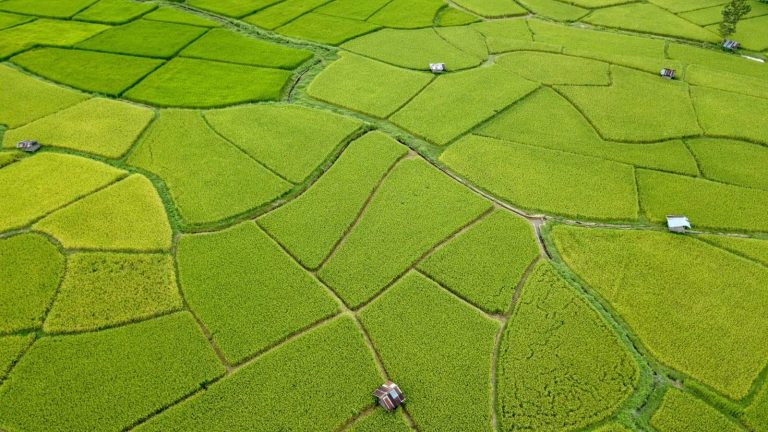
Wat Tham Suea is one of Kanchanaburi’s most impressive temples, perched on a hill with stunning views of the surrounding rice fields and mountains. The temple is famous for its massive golden Buddha statue, which stands 18 metres tall.

(Photo: Shutterstock)
Mallika City 1905 AD
For a different type of cultural experience, visit Mallika City, a recreated town that takes you back to Thailand during the reign of King Rama V. The village replicates daily life from the early 20th century, complete with traditional costumes, markets, and performances. Visitors can try their hand at Thai crafts, shop for souvenirs, and sample authentic food.

(Photo: Lurtrat R / Shutterstock.com)
Prasat Mueang Singh Historical Park
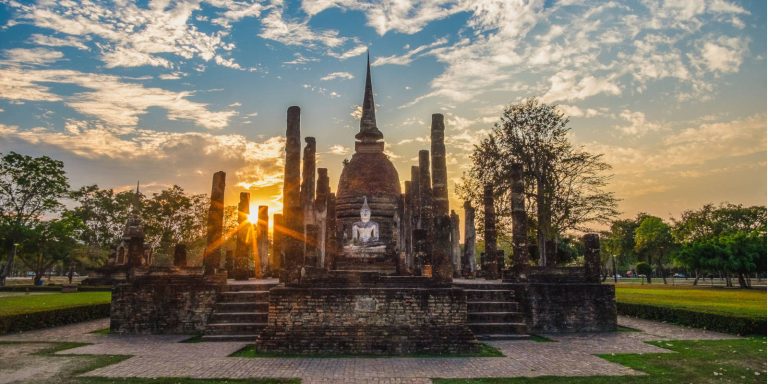
This ancient Khmer temple complex is located about 40 kilometres from Kanchanaburi town. Dating back to the 13th century, Prasat Mueang Singh was once a prominent outpost of the Khmer Empire. The ruins are well-preserved and set in a tranquil park, offering a glimpse into the region’s past.

(Photo: Shutterstock)
Sangkhlaburi
Located near the Myanmar border in the far northwest of Kanchanaburi province, reaching Sangkhlaburi requires more effort than visiting many of the other attractions in Kanchanaburi. However, those who make the journey are richly rewarded with Sangkhlaburi boasting stunning landscapes and a captivating blend of cultures.

(Photo: Shutterstock)
Spend time exploring Sangkhlaburi town and rise early to witness the morning alms-giving ceremony on Saphan Mon, Thailand’s longest wooden bridge. This bridge serves as both a physical and cultural connection between the Thai and Karen communities in Sangkhlaburi town and the Mon people living in the village on the opposite side. While here, take a boat tour of Vajiralongkorn Lake where you can visit the submerged temple of Wat Samprasob.