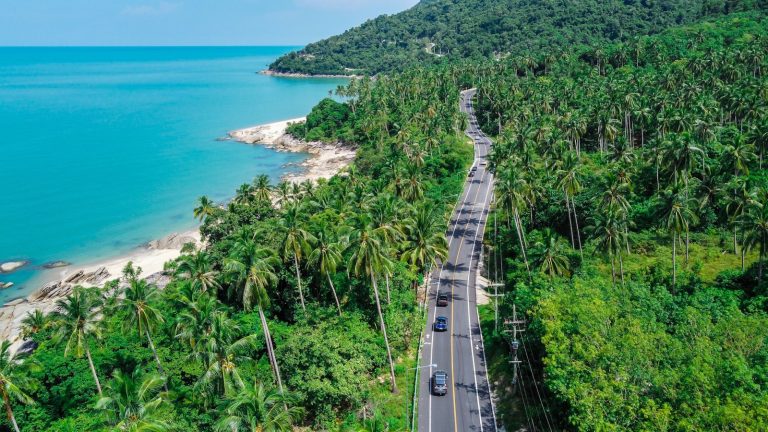
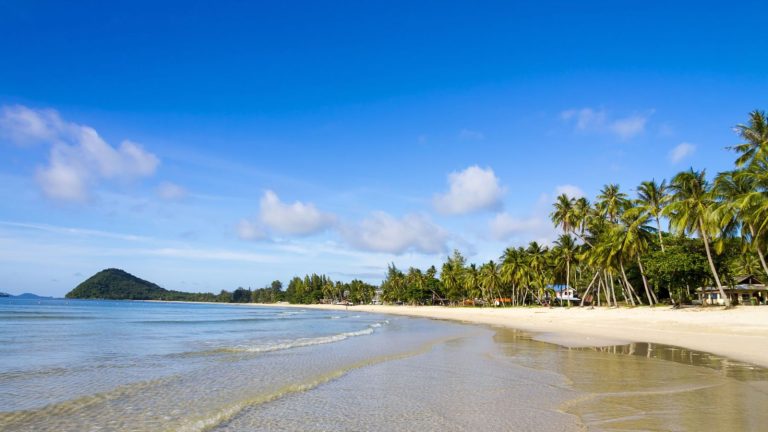
The northeast region of Isaan is often overshadowed by the more popular destinations in Thailand. Although there may be no idyllic islands or tropical beaches in this corner of Thailand, visitors who travel here will find a warm welcome and an enjoyably diverse range of things to see and do.

(Photo: Shutterstock)
There are 20 provinces in Isaan, each with its own appeal. This region is largely rural, but home to some thriving provincial capitals like Nakhon Ratchasima and Khon Kaen. From ancient temples and national parks to bustling cities and tranquil riverside towns, this northeastern region of Thailand is full of surprises waiting to be discovered. Whether you’re seeking adventure, history, or culinary delights, Isaan promises an unforgettable experience away from the beaten tourist path.
Culture and people
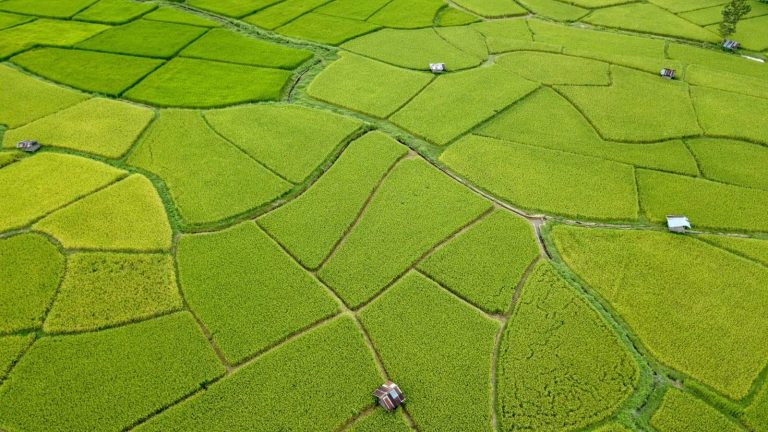
Isaan has its own unique identity. Bordered by Laos and Cambodia, the local language spoken here is different to standard Thai and khon Isaan (Isaan people) have their own heritage and culture which makes it a fascinating area to visit. This has traditionally been an agricultural region and rice farming continues to play an important part in the Isaan economy. This tradition of farming has an impact on everyday Isaan life and even by Thailand’s laidback standards, life in rural areas moves more slowly.

(Photo: Roy Cavanagh)
Food
No visit to Isaan would be complete without sampling the region’s distinct cuisine. Known for its bold flavours and fiery heat, Isaan food is popular with Thai people across the country. The signature dish, som tam (green papaya salad), is a must-try. Order it with gai yang (grilled chicken) and khao niao (sticky rice) for a classic Issan meal. Other dishes to try here include sai krok Isaan (Isaan sausages) and larb moo (minced pork salad). Unless you’re in one of the main cities like Nakhon Ratchasima, Khon Kaen, Udon Thani or Ubon Ratchathani, there might not always be a menu in English. Embrace the challenge and always remember a smile goes a long way in Thailand.

(Photo: Roy Cavanagh)
Festivals
If you have the opportunity to experience a local festival in Isaan, you’re in for a treat. While festivals take place across Thailand, those in Isaan carry extra energy and vibrancy. Attending one of these events is a fantastic way to immerse yourself in the northeast’s culture, and with fewer foreign tourists around, you’ll likely receive an especially warm welcome. Don’t be surprised if locals invite you to take selfies, practise their English, or join an impromptu celebration to the lively beat of mor lam country music, which often sets the tone for the fun.

(Photo: Mick Shippen)
Ubon Ratchathani Candle Festival
One of the most spectacular events in Isaan is the Ubon Ratchathani Candle Festival, a key highlight in Thailand’s festival calendar. Held annually, usually in July, it coincides with Asahna Bucha and the beginning of Buddhist Lent. The streets of Ubon Ratchathani come alive with giant wax figures inspired by Buddhist mythology, accompanied by thousands of participants dressed in traditional attire.

(Photo: Roy Cavanagh)
Isaan is renowned for its lively rocket festivals which celebrate the beginning of the rice-planting season in May. The most famous of these is the Yasothon Bun Bang Fai Rocket Festival, where intricately crafted homemade rockets are launched into the sky, a traditional ritual meant to coax the gods into sending rain for the upcoming crop season.

(Photo: Shutterstock)
Phi Ta Khon Ghost Festival
Another highlight is the Phi Ta Khon Ghost Festival in Loei, typically held in June. Rooted in Buddhist folklore, this event has evolved into one of the most raucous and entertaining festivals in Thailand.

(Photo: Shutterstock)
Natural Wonders
Red Lotus Sea (Udon Thani)
Isaan is home to some incredible natural attractions. One of the most stunning is the Red Lotus Sea (Talay Bua Daeng) in Udon Thani’s Kumphawapi District. During the cool season months from December to February, millions of pink lotus flowers bloom across the surface of Nong Han Lake, creating a breathtaking sight that stretches as far as the eye can see.

(Photo: Shutterstock)
The best way to experience the beauty of the lotus blossoms is by taking a boat tour early in the morning when the flowers are in full bloom. As you glide through the sea of vibrant pink petals, you’ll be surrounded by serene waters and picturesque scenery. The Red Lotus Sea is a photographer’s dream and a peaceful escape into nature.
Three Whales Rock (Bueng Kan)
There are a plethora of unusual rock formations throughout Isaan. Hin Sam Wan (Three Whales Rock) in Bueng Kan province gets its name because when viewed from above, the rocks look like three whales swimming through a sea of trees.

(Photo: Shutterstock)
Thailand’s ‘Stonehenge’ (Chaiyaphum)
In Chaiyaphum province one particular rock formation in Pa Hin Ngam National Park has been eroded by the elements over thousands of years and now looks like a giant stone version of the football World Cup. Also in Chaiyaphum is Thailand’s ‘Stonehenge’ known as Mor Hin Khao.

(Photo: Shutterstock)
National Parks
Khao Yai National Park (Nakhon Ratchasima)
As Thailand’s oldest national park, Khao Yai National Park offers a rich biodiversity, stunning landscapes, and plenty of outdoor activities for nature lovers. This vast park spans four provinces (the main access is in Nakhon Ratchasima province) and is designated as a UNESCO World Heritage Site. Khao Yai is known for its dense jungles, waterfalls, and diverse wildlife, including elephants, gibbons, hornbills, and even the occasional tiger. Hiking through its vast network of trails is a must-do, offering visitors the chance to immerse themselves in the beauty of Thailand’s natural wilderness.

(Photo: Shutterstock)
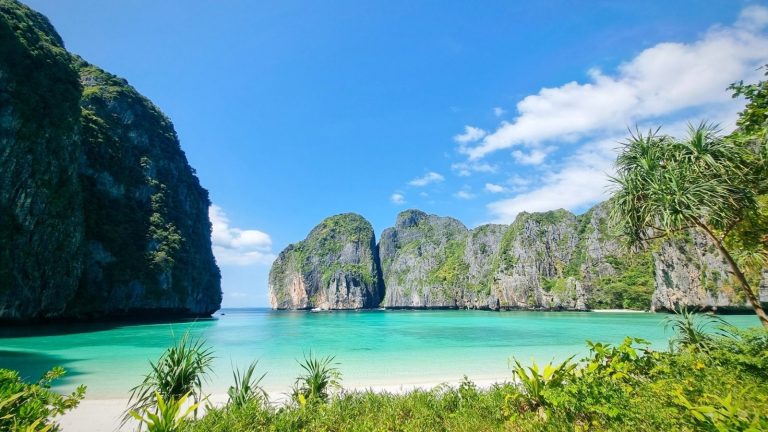
The park is also home to Haew Suwat Waterfall, famously featured in the film The Beach, and is a popular spot for picnics and photography. Another highlight is the scenic viewpoints at Khao Laem, offering panoramic views of the park’s vast forests and mountains.
Phu Kradueng National Park (Loei)
For adventure seekers, a visit to Phu Kradueng National Park in Loei province is a rewarding challenge. Known for its high plateau and rugged mountain terrain, Phu Kradueng is a hiker’s paradise. Reaching the summit requires a strenuous trek up the mountain, but the effort is worth it for the breathtaking views and cooler climate at the top. Once you arrive at the plateau, you’ll find pine forests, wildflower meadows, and stunning cliffside views, including Pha Nok Aen, a popular spot to watch the sunrise.

(Photo: Shutterstock)
The park is rich in wildlife, including deer, macaques, and a variety of bird species. With campgrounds and rustic cabins available, many visitors choose to stay overnight, giving them time to fully explore the area’s beauty and tranquillity.
Historic Sites
Phimai Historical Park (Nakhon Ratchasima)
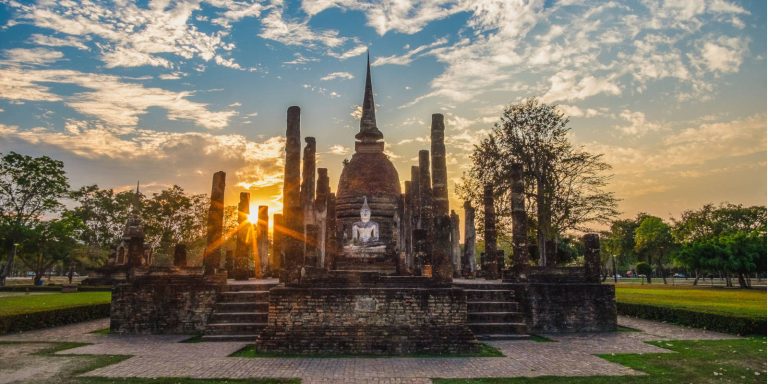
Phimai Historical Park in Nakhon Ratchasima is one of Isaan’s most impressive Khmer temple complexes. Pre-dating Angkor Wat, this ancient structure once marked the endpoint of an important trade route from Angkor. The park is home to Prasat Hin Phimai, a stunningly preserved temple, built in the 11th century during the reign of the Khmer Empire. Visitors can explore the temple’s intricate carvings, vast courtyards, and towering sanctuaries, all constructed in the distinctive Khmer architectural style.

(Photo: Roy Cavanagh)
While in the area, don’t miss the nearby Sai Ngam banyan tree grove, a peaceful natural site by the Mun River. The expansive roots of this ancient banyan tree cover over 1,300 square metres, providing a serene spot for a leisurely walk. Legend says that female spirits inhabit the banyan trees, and a spirit house sits at the base of the oldest tree in the grove.
Phu Phra Bat Historical Park (Udon Thani)
For history enthusiasts, Phu Phra Bat Historical Park offers a fascinating journey into Thailand’s ancient past. Located in Udon Thani, this archaeological site is home to mysterious rock formations, prehistoric cave paintings, and ancient shrines. Some of the rock structures are believed to have been used for religious ceremonies dating back thousands of years. The park is set in a beautiful forested area, making it a pleasant place for hiking and exploring.

(Photo: The Fine Arts Department of Thailand via UNESCO)
Ban Chiang Archaeological Site (Udon Thani)
Recognised as a UNESCO World Heritage Site, Ban Chiang is one of Southeast Asia’s most important archaeological sites. This ancient village dates back over 5,000 years and is known for its well-preserved pottery and artefacts that offer a glimpse into prehistoric human civilisation.

(Photo: Artigone Pumsirisawas / Shutterstock)
Visitors to the Ban Chiang Museum can learn about the region’s early agricultural practices, burial traditions, and artistic achievements. The museum houses a vast collection of pottery, tools, and ornaments discovered during excavations, making it an essential stop for history buffs and those interested in archaeology.
Prasat Hin Phanom Rung (Buriram)
Just outside Buriram city, Prasat Hin Phanom Rung stands as one of the most impressive and accessible ancient sites in the region, along with the nearby Prasat Mueang Tam. Believed to have been built between the 10th and 13th centuries, this complex of laterite and sandstone structures crowns a hilltop in the Buriram countryside. During specific times of the year, the rising or setting sun aligns with the temple’s doorways, creating a stunning illumination that draws large crowds eager to witness this breathtaking event.

(Photo: Shutterstock)
Mekong River
The Mekong River forms a natural boundary between Thailand and its neighbours, Cambodia and Laos. Strung out along the Mekong, there are many locations where you can relax and enjoy the views and peaceful way of life. Some of the best locations for travellers include Chiang Khan, Nakhon Phanom and Nong Khai.

(Photo: C.Aphirak / Shutterstock)
Chiang Khan (Loei)
Chiang Khan in Loei province is one of the most charming riverside towns along the Mekong River and offers a glimpse into traditional Isaan life. Known for its well-preserved wooden houses and relaxed atmosphere, Chiang Khan is an ideal destination for those looking to experience authentic local culture. Stroll along the town’s famous Walking Street, lined with small shops, cafes, and guesthouses. In the evening, enjoy the river views as the sun sets over the Mekong, casting a golden glow over the landscape. Chiang Khan is also famous for its morning alms-giving ritual, where locals offer food to Buddhist monks as they make their way through the town. Outside of town, a 100-metre-long glass walkway opened at Phu Khok Ngio hill in 2020 and offers panoramic glorious views over the confluence of the Mekong and Hueang rivers.

(Photo: Thanachet Maviang / Shutterstock)
Nakhon Phanom
Nakhon Phanom is another fine example of Isaan’s relaxed provincial capitals. You can stroll along the riverside promenade or rent a bicycle to take in the picturesque views of the Mekong River and the mountains of Laos in the distance. The town is known for its historic architecture and vibrant food scene, enhanced by Vietnamese influences in this picturesque part of northeast Thailand. Just south of the town centre, you’ll find the revered Phra That Phanom temple, one of the region’s most significant spiritual sites.

(Photo: Roy Cavanagh)
Nong Khai
Nong Khai is one of the few places in Isaan that attracts many international tourists. Its proximity to Laos makes it a common stopover for travellers crossing the border, though not everyone stays overnight. For those who do, Nong Khai offers a laid-back atmosphere and a pleasant location to unwind for three or four days. Hire a bicycle and make the short journey out of town to visit the impressive Sala Kaew Ku Sculpture Park, and walk or cycle along the lengthy promenade in the centre of town to enjoy the views and peaceful atmosphere. Further out of town, the glass skywalk at Wat Pha Tak Seua offers stunning views over the Mekong River.

(Photo: Roy Cavanagh)