The great news for anyone planning a trip to Thailand is that this is a year-round destination. While many travel resources say that the best time to visit Thailand is in the tourist high season from November to February, that isn’t the complete story. The low season is still a wonderful time to visit. Running roughly from May to October in most parts of the country, this period offers lush scenery, fewer crowds, lower prices, and a more relaxed pace of travel.

Although the low season coincides with the rainy season, the weather is often far more manageable than many visitors expect. This is also known as the green season, making it the ideal time to explore the stunning Thai countryside. Rain showers are usually short-lived, temperatures stay warm, and there are still plenty of sunny days. Better still, regional weather patterns mean some beach destinations enjoy excellent conditions during these months.
If you’re looking for a more affordable, authentic, and scenic experience, here are some compelling reasons to visit Thailand during the low season.
Experience Thailand without the crowds
One of the biggest advantages of travelling during the green season is the noticeably smaller number of tourists. Popular attractions that can feel overcrowded during peak months become much more enjoyable when visitor numbers drop.

In Bangkok, iconic landmarks such as the Grand Palace, Wat Pho, and Wat Arun are easier to explore at a leisurely pace. Markets, museums, temples, and restaurants all feel less hectic, while queues for tours and transport are generally shorter.
Travelling during quieter months also makes spontaneous travel easier. Whether you want to change your itinerary at the last minute or book a tour on the same day, you’ll usually have far more flexibility.
Better value for money
Thailand is already known for offering excellent value, but the low season can stretch your travel budget even further. Airlines, hotels, and tour operators often reduce prices during these months, making it easier to enjoy higher-quality accommodation or longer stays without overspending.

Many hotels run special green-season promotions, while domestic flights between major destinations are frequently cheaper than during peak travel periods. Travellers visiting between June and August can also benefit from the annual Amazing Thailand Grand Sale, which offers discounts on shopping, dining, accommodation, and attractions across the country.
For budget-conscious travellers or anybody planning an extended trip, the low season can provide significant savings.
Thailand at its scenic best
There is a reason why Thailand’s rainy season is also known as the ‘green season.’ After the intense heat of the hot months, rain transforms the countryside into a landscape of vibrant rice fields, misty mountains, and flowing waterfalls.

Northern provinces such as Chiang Mai, Chiang Rai, Loei and Mae Hong Son are especially picturesque at this time of year. The scenery becomes greener, cooler, and more photogenic, while waterfalls and rivers are often at their fullest.

Nature lovers will also appreciate Thailand’s national parks during the wet season. Places such as Khao Sok National Park and Khao Yai National Park are rich with wildlife, dense rainforest, and dramatic landscapes. Hiking trails, birdwatching, and waterfall visits can be particularly rewarding during this period.
The joys of slow travel
The quieter atmosphere of the green season naturally encourages slower and more meaningful travel experiences. Without the pressure of peak-season crowds, it becomes easier to spend extra time in one destination, connect with local communities, and enjoy a more relaxed itinerary.

Village homestays, cooking classes, temple visits, and community-based tourism experiences often feel more personal during this time of year. Guides and hospitality staff typically have more time to interact with guests, which can lead to warmer conversations and more attentive service.
Discover historic sites in peace
Thailand’s ancient cities and historical parks are far more atmospheric when they aren’t packed with tour groups.

The UNESCO-listed Ayutthaya Historical Park is an excellent example. Easily reached by train from Bangkok, the former capital of Siam is more comfortable to explore during quieter months, allowing visitors to appreciate the temple ruins and riverside scenery at a slower pace.
Further north, Lopburi offers Khmer-era temples and its famously mischievous monkeys, while Sukhothai Historical Park is particularly beautiful during the green season when the surrounding countryside becomes lush and vibrant. Cycling between the ancient ruins after rainfall can be a memorable experience.

The low season is also an ideal time to visit Kanchanaburi. Known for its World War II history and the famous Bridge on the River Kwai, the province also offers beautiful natural attractions, including Erawan National Park and scenic countryside that flourishes during the rainy months.

(Photo: Tourism Authority of Thailand Media Assets)
Celebrate colourful festivals
Thailand’s festival calendar continues throughout the year, and the green season features some of the country’s most fascinating cultural events.
In May, colourful Rocket Festivals in northern and north-eastern Thailand celebrate the arrival of the rains, while June brings the lively Phi Ta Khon ghost festival in Loei Province.

(Photo: Visun Khankasem/Shutterstock.com)
This period also includes important Buddhist holidays such as Visakha Bucha and Asahna Bucha, as well as the beginning of the Phansa rains retreat, often referred to as Buddhist Lent. Candle Festivals held during this time, especially in Ubon Ratchathani, are among the country’s most visually impressive celebrations.

(Photo: Chaton Chokpatara/Shutterstock.com)
Later in the season, vegetarian festivals take place across Thailand, with Phuket hosting one of the most dramatic and unforgettable events in the Thai cultural calendar.
Enjoy beach holidays
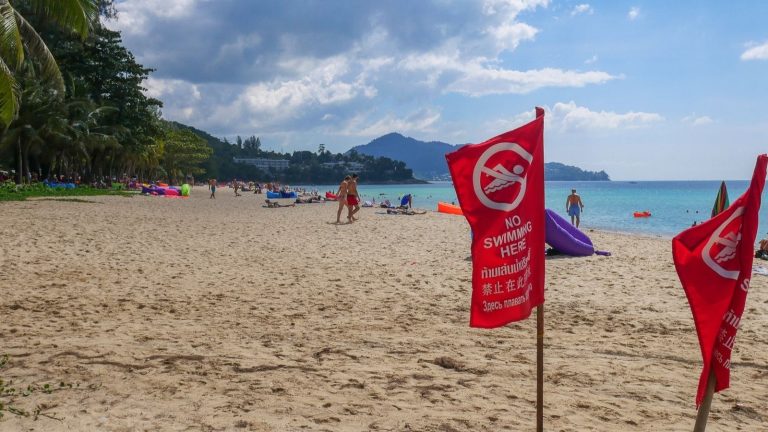
Many travellers wrongly assume that Thailand’s beaches should be avoided during the low season, but weather conditions vary significantly depending on the region.

While Andaman Coast destinations such as Phuket and Krabi enjoy better weather from November to April, that isn’t the case for the Gulf Coast, which enjoys more settled weather from May to September. This makes destinations including Hua Hin, Ko Samui, Ko Pha Ngan, and Ko Tao excellent choices for a summer beach holiday. And with fewer visitors around, beaches can feel quieter and more peaceful, creating a more relaxed atmosphere overall.
Ideal for outdoor adventures
For active travellers, the green season can be one of the best times to experience outdoor activities in Thailand.

(Photo: n0thing / Shutterstock.com)
Northern Thailand offers excellent trekking opportunities, with cooler temperatures and greener scenery enhancing hiking routes around Chiang Mai and neighbouring provinces. Rainfall also improves conditions for waterfalls, rafting, and jungle adventures.
On the southern coasts, destinations like Phuket and Khao Lak become popular with surfers and kite-boarders thanks to seasonal winds and waves. Thailand may not be globally famous for surfing, but the country has a growing surf scene that is particularly suitable for beginners and intermediate surfers.
Don’t let the rain put you off
Rain is part of the green season experience, but it rarely means constant bad weather. Showers are often brief and refreshing, usually followed by sunshine and clear skies. Packing lightweight clothing and a small umbrella is generally all that’s needed.

(Photo: shaifulzamri /Shutterstock.com)
For travellers willing to embrace a little unpredictability, the rewards can be considerable: lower prices, quieter attractions, greener landscapes, and a more authentic side of Thailand that many peak-season visitors never experience.