Thailand has been steadily repositioning itself as a leader in sustainable tourism, with the Tourism Authority of Thailand (TAT) driving much of this transformation. Across the country, new standards, certifications, and community-led initiatives are reshaping how tourism operates. Few places demonstrate this shift more clearly than Krabi.

With its limestone cliffs, island-dotted coastline, and rich local culture, Krabi is one of Thailand’s most beautiful destinations. It’s also becoming a blueprint for responsible tourism.
The Krabi Prototype
At the centre of this transformation is the Krabi Prototype, a forward-thinking initiative designed to position the province as a ‘living laboratory’ for sustainable tourism. Rather than focusing on a single issue, the project takes a holistic approach. It integrates environmental protection, cultural preservation, community participation and responsible business practices.
The long-term goal is to replicate this model across Thailand, using Krabi as a benchmark for future tourism development. Increasingly, tourism in Thailand is being evaluated not just by visitor numbers, but by its long-term impact on ecosystems and local livelihoods.
“Krabi represents the balance we aspire to achieve across Thailand – where natural beauty and local culture are preserved while communities benefit from tourism.”
– Ms Thapanee Kiatphaibool (Governor of the Tourism Authority of Thailand)
Lessons from the Phi Phi Islands
One of the most powerful examples of this shift towards responsible tourism can be seen at Maya Bay, located within the Phi Phi archipelago in Krabi province.

After the film The Beach (starring Leonardo DiCaprio) brought global fame to Maya Bay, the bay experienced environmental degradation due to overtourism. In response, Thai authorities made the bold decision to close it in 2018. When the bay reopened in 2022, strict conservation measures were introduced with limits on visitor numbers, designated entry points to protect coral reefs and no swimming in certain areas.
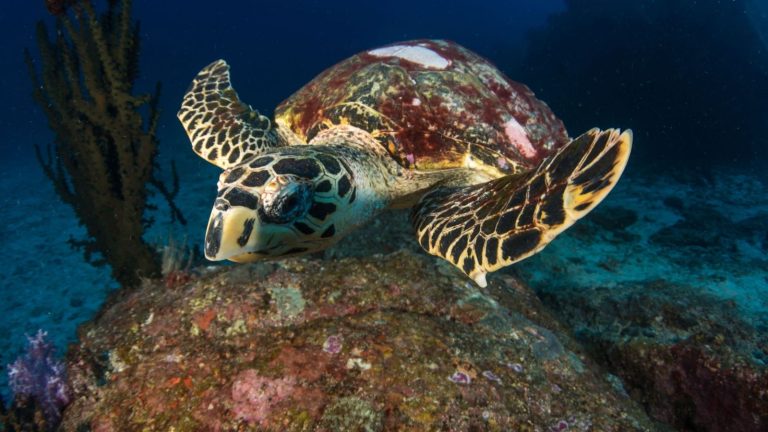
The results have been striking. Marine life has returned, including increasing numbers of blacktip reef sharks, a strong indicator of ecosystem recovery. Maya Bay now stands as proof that tourism and conservation can coexist, but only with careful management.
It begins with the people
It’s a common mistake to think that sustainability is just about nature, but it isn’t. Sustainability also means supporting local communities.

Organisations like Tourism Cares emphasise that meaningful travel should benefit the people who live in destinations, not just the visitors passing through them. This philosophy was highlighted in 2025 when the Global Meaningful Travel Summit was hosted in Bangkok and Krabi, reinforcing the province’s role as a real-world example of sustainable tourism in action.
Raising standards in the tourism industry
To support this shift, the Tourism Authority of Thailand has introduced several programs that encourage businesses to operate more responsibly:
- STAR (Sustainable Tourism Acceleration Rating)
- Thailand Tourism Awards
- CF Hotels (Carbon Footprint Hotels programme)
These initiatives allow travellers to make more informed choices, whether that means selecting accommodation with lower emissions or choosing tour operators with verified sustainability practices. Krabi has emerged as a leader in this space, with a growing number of certified businesses and award-winning operators adopting these standards.

Community-based tourism in Krabi
One of the most rewarding ways to travel responsibly in Krabi is through community-based tourism (CBT). These experiences are designed, owned, and managed by local communities, ensuring that tourism revenue stays within the area while preserving traditional ways of life. Standout examples include Ko Klang, and Laem Sak Tourism Community Enterprise.

Ko Klang
Just a short boat ride from Krabi Town, this island offers an authentic glimpse into southern Thai culture, with rice farming, handicrafts, and traditional fishing still central to daily life.
Laem Sak Tourism Community Enterprise
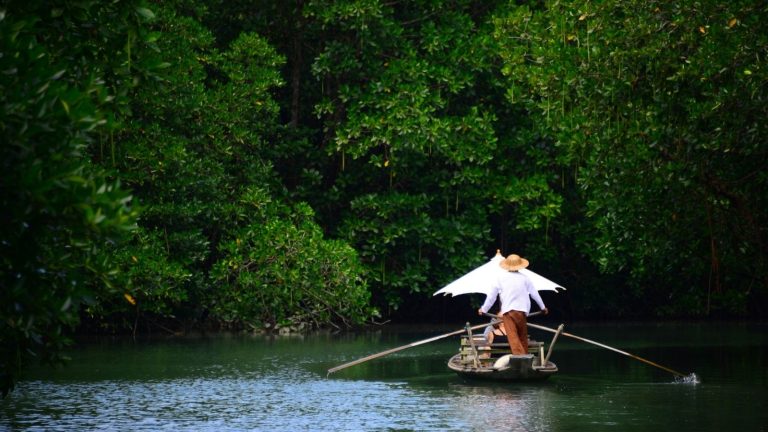
This multicultural coastal community offers mangrove tours, fishing trips, and homestays. Visitors gain insight into local livelihoods while supporting conservation of fragile marine ecosystems.
How to be a more responsible traveller
If you’re planning a trip, here are additional ways to travel more responsibly in Krabi and Thailand in general.
Choose eco-conscious accommodation
Look for hotels participating in carbon footprint or sustainability certification programs. Many now incorporate renewable energy, waste reduction, and water conservation.
Support local businesses
Eat at locally owned restaurants, book independent guides, and shop for handmade products rather than imported souvenirs. For example, businesses like Souvenirs From The Sea transform discarded marine waste into usable items, reducing ocean pollution while supporting local livelihoods.
Rethink island-hopping tours
Instead of crowded speedboat tours, opt for small-group or longtail boat trips, visit lesser-known islands and travel during off-peak hours. This helps to reduce environmental pressure on popular sites.
Use reef-safe sunscreen
Certain chemicals in sunscreen can damage coral reefs. Choosing reef-safe alternatives is a simple switch that makes a real difference.
Reduce plastic waste
Carry a reusable water bottle, refuse plastic straws, and bring a tote bag for shopping. Many areas in Krabi are actively trying to reduce single-use plastics.
Respect wildlife and marine life
Avoid tours that involve feeding or touching animals. Maintain distance when snorkelling or diving, and never stand on coral.

(Image: TAT Newsroom)
Protecting Krabi for the future
Krabi’s sustainability efforts go beyond policy. On-the-ground actions include:
- Restrictions on jet skis in certain areas
- Limits on beach furniture
- Waste-to-energy initiatives on some islands
- Public awareness campaigns around marine conservation
These changes may seem small individually, but together they represent a significant shift toward long-term environmental stewardship. Krabi is showing that responsible tourism doesn’t mean sacrificing experience. It enhances it.
By choosing thoughtful activities, supporting local communities, and respecting natural environments, travellers can play a role in preserving what makes this destination so special.