Located in the rural suburbs of Chiang Mai, Ban Rai Kong Khing offers one of Chiang Mai’s most meaningful examples of responsible, community-based tourism. This is a village that has prioritised sustainability, health, and cultural preservation over mass tourism. When you visit Ban Rai Khong Khing, you can enjoy the charm of village life and learn from local wisdom while directly supporting the community.
(Video courtesy of GLP Films)
Ban Rai Kong Khing demonstrates that responsible tourism is not about perfection, but about intention and balance. By keeping tourism small-scale, community-owned, and culturally grounded, the village protects what makes it special while creating meaningful opportunities for visitors.
Community-based tourism
Ban Rai Kong Khing is a farming community that transformed itself through collective action. Concerned about the health and environmental impacts of chemical farming, villagers made a joint decision to shift towards organic agriculture and revive traditional Lanna herbal knowledge.

(Credit: GLP Films)
Today, the community operates as a community-based tourism (CBT) destination, welcoming visitors to learn about organic farming, herbal medicine, and life in rural northern Thailand. Tourism activities are designed and managed by the villagers themselves, with income shared through community funds that support healthcare, education, and local development.
Tourism here is sensitively integrated into daily life in a way that supports livelihoods and reinforces pride in local culture and traditions.
Traditional wellness
What truly sets Ban Rai Kong Khing apart is its deep connection between wellness, culture, and community ownership.
One of the village’s most distinctive practices is yam khang, a traditional hot oil fire massage that dates back hundreds of years. This rare healing technique uses herb-infused oils and heated tools, applied by trained local practitioners. Unlike many commercial spa treatments, yam khang is rooted in ancestral knowledge passed down through generations.

(Credit: GLP Films)
Equally important is the village’s collective management model. There are no outside resort owners or corporate tour operators controlling experiences. Decisions are made communally, ensuring tourism remains small-scale, culturally respectful, and aligned with local values. Visitors are treated as guests rather than customers, and are encouraged to participate, listen, and learn.
Local products
A key principle of responsible travel is supporting local supply chains, and Ban Rai Kong Khing excels in this area. Many of the herbs grown organically in the village are transformed into:
- Herbal massage oils
- Herbal compress balls
- Natural soaps, shampoos, and balms
- Traditional remedies used in local healing practices
These products are made in small batches by community members, using knowledge passed down through families.

(Photo: Roy Cavanagh)
Meals served to visitors use seasonal, organic ingredients grown in village gardens or sourced from nearby farms. Visitors are treated to flavourful northern Thai dishes, herbal teas, and refreshing drinks made from pandan leaves or local fruits.
Visitors may also encounter handmade items such as woven goods, herbal compresses, and simple crafts that reflect everyday rural life rather than souvenirs made purely for tourists.

(Photo: Roy Cavanagh)
Activities
Experiences at Ban Rai Khong Khing are immersive and educational, encouraging meaningful engagement rather than passive observation.
Traditional yam khang massage
A highlight for many visitors, this ancient therapy provides insight into northern Thai healing traditions while supporting local practitioners.
Organic farm and herbal workshops
Guests can walk through organic fields, learn how herbs are grown and harvested, and take part in making herbal compresses or wellness products.
Lanna cooking experiences
Cooking sessions introduce travellers to northern Thai (Lanna) cuisine, using fresh ingredients and traditional methods. Dishes are often prepared together with community members, creating opportunities for cultural exchange.
Cycling and village walks
Exploring the surrounding countryside by bicycle or on foot offers a glimpse into everyday rural life with rice fields, temples, and quiet lanes.
Cultural activities
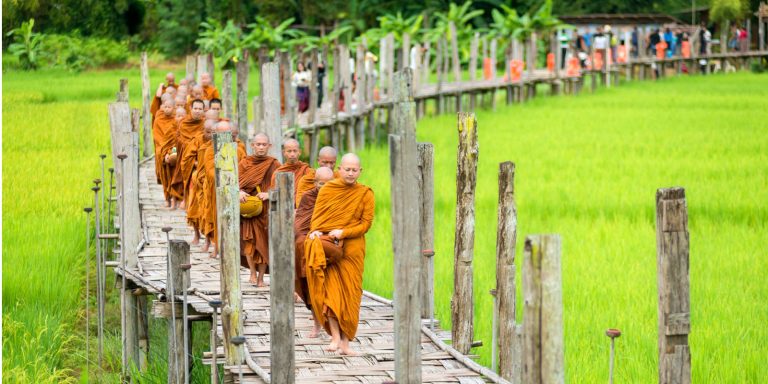
Depending on timing, visitors may participate in alms giving, temple visits, or local ceremonies that reflect the spiritual rhythms of village life.
Visiting Ban Rai Kong Khing
Ban Rai Kong Khing is located in Hang Dong district, around 30 minutes southwest of Chiang Mai. Most organised visits include round-trip transport. Public transport options are limited, making private transport or tours the most practical choices.

(Photo: Roy Cavanagh)
Arranging a visit to the village is best done through responsible travel channels that prioritise fair payment and community benefit. Booking directly with the village ensures that the highest percentage of income stays within the community.
Several Chiang Mai–based tour operators specialise in CBT experiences and offer day trips or overnight stays that include transport and local guides.
Ban Rai Kong Khing Facebook page