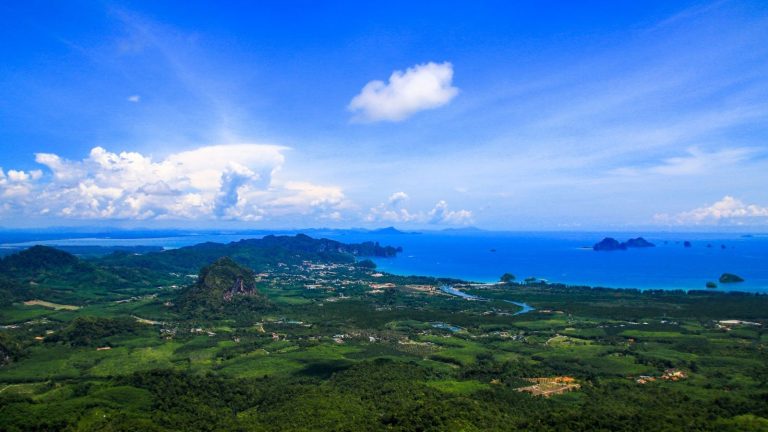
Thailand’s creative spirit is evident across the kingdom. From centuries-old craft villages in the north to the richly layered culinary traditions of the south. This cultural vitality has received international recognition through the UNESCO Creative Cities Network (UCCN), with nine Thai cities currently designated.
UNESCO and the Creative Cities Network
Established in 2004, the UNESCO Creative Cities Network connects more than 400 cities worldwide that place creativity at the heart of sustainable urban development. Member cities fall into eight categories:
- Architecture
- Crafts & Folk Art
- Design
- Gastronomy
- Literature
- Media Arts
- Music
- Film
The programme aligns closely with the UN Sustainable Development Goals, particularly Sustainable Cities and Communities, encouraging cities to use culture and creativity as engines for inclusive growth.
For Thailand, Creative City status extends beyond municipal boundaries to encompass the wider province.
Phuket (2015)
Category: Gastronomy
Phuket became Thailand’s first UNESCO Creative City in 2015, recognised for its distinctive culinary identity shaped by Thai, Chinese, Malay and Peranakan influences.
Signature dishes such as mee hokkien (Hokkien-style noodles), moo hong (slow-braised pork), and local dim sum reflect centuries of maritime trade and migration. UNESCO’s designation acknowledges not only the island’s diverse food culture but also its commitment to safeguarding culinary heritage, supporting local producers, and integrating gastronomy into sustainable tourism development.
Chiang Mai (2017)
Category: Crafts & Folk Art
In 2017, Chiang Mai joined the network for its enduring Lanna craft traditions. Wood carving, silverwork, lacquerware, textiles, and saa (mulberry) paper production remain deeply embedded in local communities.
What distinguishes Chiang Mai is its ability to bridge heritage and innovation. Traditional knowledge is actively preserved while also inspiring contemporary designers and creative entrepreneurs. UNESCO recognises the city as a living centre of craftsmanship where cultural continuity supports both community livelihoods and creative enterprise.
Bangkok (2019)
Category: Design
Bangkok earned the designation as a Creative City of Design in 2019. The Thai capital’s creative landscape ranges from temple architecture and canal-side neighbourhoods to digital media, fashion, product design, and urban regeneration projects.
Design in Bangkok is not confined to aesthetics. Design plays a strategic role in urban planning, sustainability, and inclusive development. The city’s creative districts, public art initiatives, and design-driven enterprises reinforce its position as a regional hub for innovation.
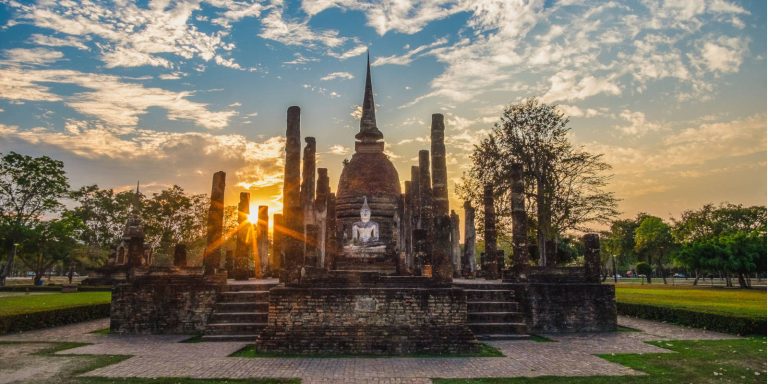
Sukhothai (2019)
Category: Crafts & Folk Art
Also listed in 2019, Sukhothai was recognised for its mastery of traditional craftsmanship, particularly Sangkalok ceramics. These techniques date back to the Sukhothai Kingdom and continue to shape local identity.
Beyond pottery, weaving and metalwork remain important cultural expressions. UNESCO highlights Sukhothai’s strong community networks and intergenerational knowledge transfer, ensuring ancient skills remain relevant within today’s creative economy.
Phetchaburi (2021)
Category: Gastronomy
Phetchaburi joined the network in 2021 as a Creative City of Gastronomy. The province is especially celebrated for its desserts, many made using locally harvested palm sugar, coconut, and sea salt.
Its culinary identity reflects a close relationship between agriculture, geography, and tradition. UNESCO commends the city’s efforts to preserve heritage recipes, promote culinary education, and encourage sustainable sourcing of regional ingredients.
Chiang Rai (2023)
Category: Design
Chiang Rai was designated a Creative City of Design in 2023. Long associated with visionary artists, the province is home to landmark creations such as Wat Rong Khun (White Temple), Wat Rong Suea Ten (Blue Temple), and Baan Dam (Black House Museum).
The designation reflects more than individual artistry. UNESCO recognises a broader creative ecosystem that supports contemporary art, architectural experimentation, and community-based design initiatives.
Suphan Buri (2023)
Category: Music
Suphan Buri province is known for traditional folk genres such as pleng e-saew and pleng choi, expressive musical forms rooted in rural storytelling traditions.
UNESCO recognises Suphan Buri’s strong emphasis on music education, festivals, and community participation, ensuring these living traditions continue to thrive.
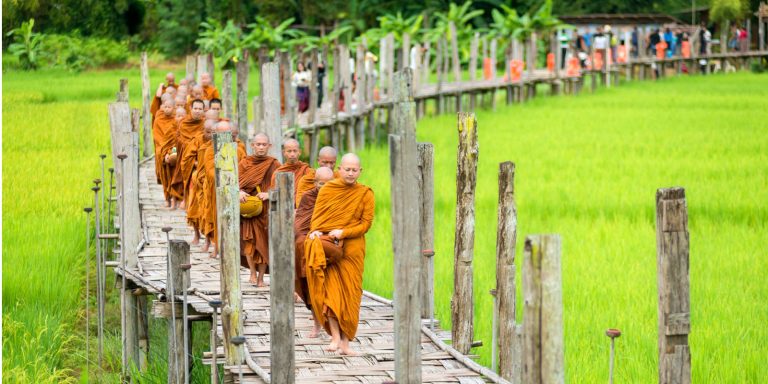
Nan (2025)
Category: Crafts & Folk Art
Nan received its designation in 2025 for its vibrant textile weaving, mural painting, and woodcraft traditions, closely linked to Tai Lue and Lanna heritage.

(Photo: amnat30 / Shutterstock)
Local artistry often reflects spiritual beliefs, nature, and community identity. UNESCO’s recognition highlights Nan’s grassroots cultural preservation model, where creativity reinforces education, cultural pride, and sustainable development.
Songkhla (2025)
Category: Gastronomy
Songkhla joined the network in 2025 as a Creative City of Gastronomy. Its food culture reflects deep connections between coastal geography, multicultural influences, and southern Thai culinary expertise.

Specialities include khua kling (dry curry), pad sataw kung kapi (shrimp with stink beans and shrimp paste), and khai khrop (salted duck egg yolks steamed until firm). The listing underscores how culinary traditions strengthen local identity while supporting sustainable tourism and community pride.
Creativity and sustainable tourism in Thailand
Thailand’s participation in the UNESCO Creative Cities Network complements broader national efforts to promote responsible tourism. Through sustainability-focused initiatives and community-driven development, creativity is positioned not only as cultural expression but as an economic and social catalyst.
For travellers seeking deeper engagement, these nine destinations provide living cultural landscapes where heritage, innovation, and sustainability intersect.